- Wed, March 16, 2022

Loading
Loading
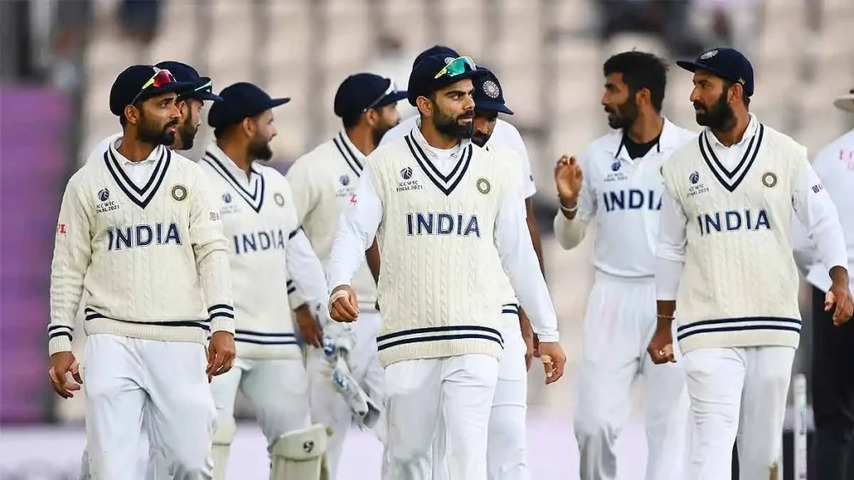
Why Indian Cricket Team Once Played ODIs in White Kits (With a Red Ball)
Introduction: A Curious Sight in the Late ’90s
Picture this: It’s an ODI match in 1999, and Team India strides out not in their familiar blue, but in Test match whites, with a shiny red cricket ball in play. Sounds odd, right? Yet if you watch highlights of Sachin Tendulkar’s epic 186* against New Zealand in 1999, you’ll see exactly that – both teams wearing traditional white flannels and using a red ball, despite it being a limited-overs game. So what on earth was going on? In this article (and video script), we’ll dive into why India played some ODIs in white kit with a red ball around 1999–2000, explore whether other countries did the same, and reveal some fascinating facts from that transitional era of cricket. Get ready for a trip back in time, when ODIs briefly looked like Test matches! ????
From Color to White: The Transition Phase Explained
Starting in the 1980s and especially after the 1992 World Cup, colored jerseys and white balls became the norm in one-day cricket. But the switch wasn’t instantaneous worldwide. In the 1990s, many ODIs – especially day games – still featured the old combo of white clothing and red balls in certain countries.
Why? The main reason boils down to day vs night matches and practical constraints. In those days, colored clothing was mostly associated with day-night matches, which required a white ball for visibility under floodlights. But a white ball would be nearly invisible against a white uniform, so teams had to don colored gear for night games. Conversely, when matches were played in the daytime without floodlights, many boards stuck to the traditional white kits and red balls.
There was also a bit of cost and convenience involved. Not every bilateral series had big commercial backing. Some boards found it easier (and cheaper) to use players’ regular Test whites for ODIs instead of producing special colored kits for a short series. For example, a tri-series involving India, Australia, and Zimbabwe in the late 90s was played in whites because two of the teams were in a Test series and hadn’t brought colored clothing. So sometimes it simply came down to logistics and match timings.
India’s ODIs in Whites (1998–2000): What Really Happened?
By the mid-90s, Indian fans had grown used to seeing the Men in Blue in tournaments like the World Cup or Sharjah cups. But in a few series, India reverted to whites. Notably:
vs Australia in 1998 (India at home) – In a home ODI series against Australia in 1998, India wore whites. The matches were day games, so colored uniforms were deemed unnecessary.
vs New Zealand in November 1999 – This is the series featuring Sachin’s 186* and Dravid’s 153 in Hyderabad. It was a daytime bilateral ODI series in India, played without floodlights – hence the teams wore white kits and used the red ball. That match featured a world-record 331-run partnership between the two Indian legends – all while dressed in traditional whites.
vs Zimbabwe in November-December 2000 – Another bilateral ODI series in India, entirely day matches. Both India and Zimbabwe played in white clothing with the red cherry. This series is historic because it turned out to be the last time ever that an ODI was played in whites with a red ball. The final match of that series, on December 14, 2000 at Rajkot, was India’s last ODI of the 20th century – and fittingly, it marked the end of an era. India won that game by 39 runs, and cricket turned a colorful page thereafter.
The Last Red-Ball ODI – A Historic Farewell
That India vs Zimbabwe 2000 series deserves a special mention. The 5th ODI in Rajkot (Dec 14, 2000) wasn’t just any game; it became a slice of trivia gold. Here are some fun facts from that match – truly a grand send-off for the red-ball ODI format:
Ajit Agarkar smashed a 21-ball half-century, breaking Kapil Dev’s record for the fastest ODI fifty by an Indian at the time. He ended up with 67* off 25 balls and also picked up 3 wickets in the match.
Dravid captained India for the first time in ODIs in this match, with Ganguly rested. The game marked the start of a new chapter for Indian leadership.
The match was the final ODI in world cricket played in whites with a red ball. Since then, colored clothing and white balls have been standard in every ODI played.
Did Other Countries Do the Same?
Yes – India was not the only team doing this. Other countries also followed similar practices:
England – Played all home ODIs in whites up until 1998. Their ODIs were typically day games, often played over 55 or 60 overs, and even included lunch breaks.
Pakistan – Continued to use whites and red balls for most of their home ODIs well into the late 90s. Day matches without floodlights were the norm.
West Indies – Many home ODIs were played in whites until about 1998. The absence of day-night games made the transition slower.
Australia and New Zealand – Were early adopters of colored clothing, but still occasionally played day-only bilateral ODIs in whites when touring countries like India or Pakistan.
By the end of 2000, all these countries had officially transitioned to the colored kit and white ball format for ODIs.
Interesting Tidbits and Legacy
Sachin’s 186 in whites* – His highest ODI score came in that white-clothing, red-ball match vs New Zealand in 1999. A record-breaking 331-run partnership with Rahul Dravid came dressed in what looked like Test gear – a true visual throwback.
Red ball behavior in ODIs – Unlike the white ball used today, red balls in ODIs used to reverse swing significantly and degrade faster. Visibility also became poor as the ball wore out. Batsmen and fielders often complained about difficulty picking the ball in later overs.
Spinners became more dangerous – With the red ball getting soft and dirty, spin became hard to read, giving bowlers an edge in the latter part of the innings.
Standardization and spectacle – Once cricket fully transitioned to white balls and colored clothing, fans began associating ODIs with spectacle and bright visuals. Sponsors also preferred colored kits for branding.
Nostalgia value – For fans of 90s cricket, the sight of flannels in a high-scoring one-dayer brings a wave of nostalgia. It was an odd but charming blend of eras.
Conclusion: A Quirk of Cricket History
So there you have it: Team India played in white jerseys with a red ball in some late-90s ODIs mainly due to day-game conventions and transitional arrangements. They weren’t alone – other countries did it too – but by end of 2000, the technicolor takeover was complete. This quirky period gave us some unforgettable cricketing moments, from record partnerships to blazing fast fifties, all against the incongruous backdrop of Test-style uniforms.
If you enjoyed this trip down memory lane, give it a like (and maybe a howzzat! in the comments). Whether you’re a 90s kid reminiscing or a newer fan discovering this odd fact for the first time, cricket’s history is full of such gems. Who knows – maybe someday we’ll see a retro ODI in whites for nostalgia’s sake? Until then, keep your eyes on the white ball and enjoy the game in living color!





Comments:
Leave a Reply