- Wed, March 16, 2022

Loading
Loading
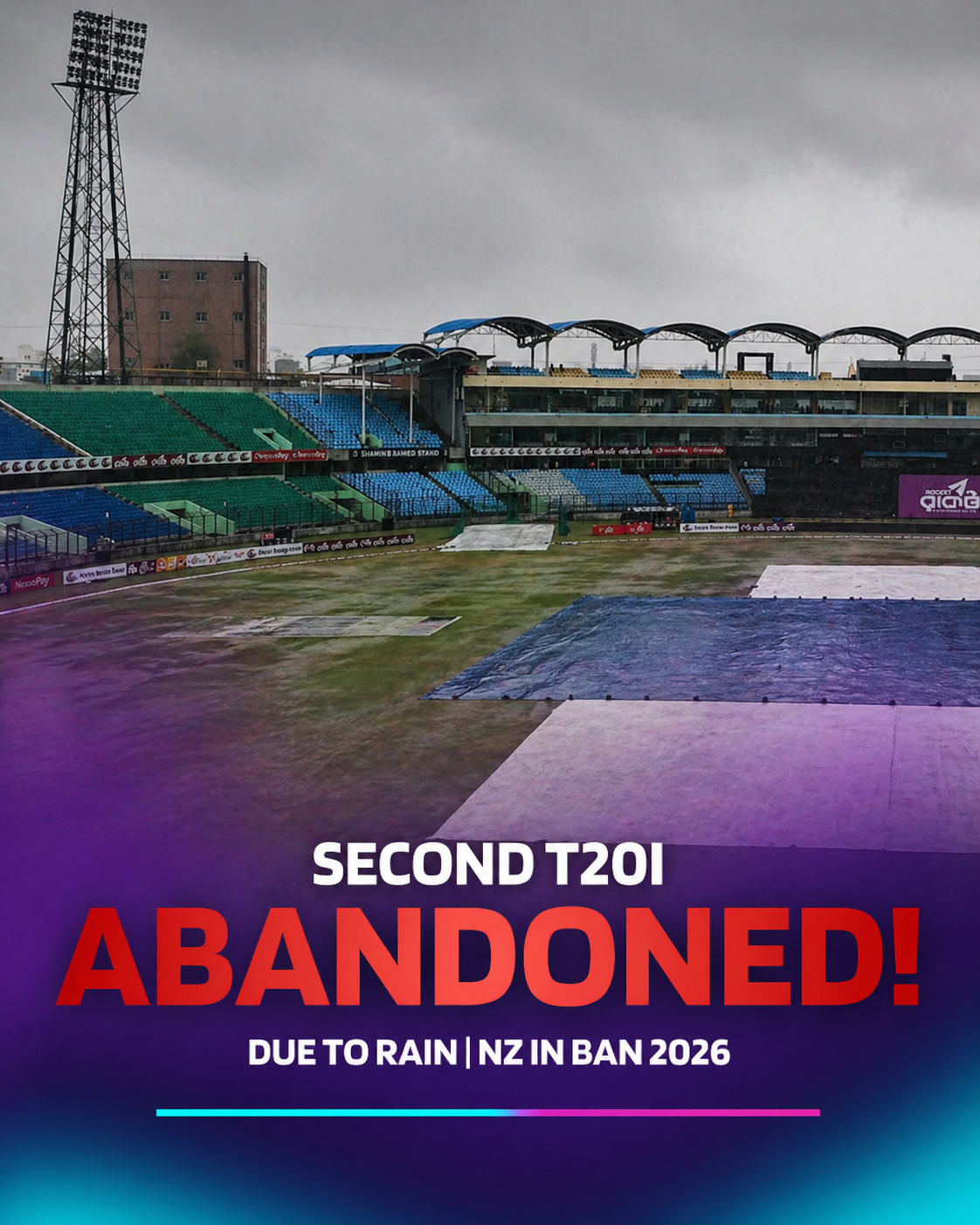
Complete Match Analysis
The second T20I between Bangladesh national cricket team and New Zealand national cricket team in the New Zealand tour of Bangladesh 2026 was unfortunately abandoned due to persistent rain at the Bir Sreshtho Flight Lieutenant Matiur Rahman Stadium, without even a toss taking place. The match was scheduled to begin at 2:00 PM local time, but continuous rainfall and wet outfield conditions made it impossible for the officials to proceed with the game. Despite multiple inspections by the umpires, the ground conditions did not improve sufficiently, leading to the final decision to abandon the match. This outcome was disappointing for both teams and fans, especially considering the anticipation surrounding the contest.
From a series perspective, the abandonment of this match has a direct impact on the momentum and balance between the two sides. With one fewer match to play, both teams now have limited opportunities to test combinations and build rhythm, which is particularly important in a short T20 series. Bangladesh, playing at home, would have been eager to capitalize on familiar conditions and gain an advantage, while New Zealand would have looked to adapt quickly and challenge the hosts. However, weather interruptions like this often disrupt strategic planning and reduce the chances of gaining a competitive edge.
The conditions in Chattogram highlighted once again how weather can play a crucial role in cricket, especially in subcontinental regions where sudden rainfall is common. Even though modern stadiums are equipped with advanced drainage systems, continuous rain can still make it impossible to conduct a match safely. Player safety and fair playing conditions remain the top priorities for match officials, which is why the decision to abandon was necessary. While fans were left disappointed, the call ensured that no compromises were made in terms of playing standards.
Looking at both squads, this match could have provided valuable opportunities for players to showcase their form and adaptability. Bangladesh featured a mix of experienced players and emerging talents, led by Litton Das, while New Zealand fielded a relatively fresh squad with several young and promising cricketers. Matches like these are crucial for team development, especially ahead of bigger tournaments, as they allow players to gain match experience and confidence. Unfortunately, the washout denied both teams that opportunity.
Another important aspect to consider is the impact on team momentum. In T20 cricket, maintaining rhythm is extremely important, and gaps caused by abandoned matches can disrupt player focus and preparation. Teams often rely on consecutive matches to build form, experiment with strategies, and finalize their playing combinations. With this match being washed out, both teams will now have to quickly readjust and prepare for the next game without the benefit of recent match practice.
From a broader perspective, abandoned matches also highlight the importance of scheduling and contingency planning in international cricket. While weather cannot be controlled, better planning in terms of reserve days or flexible scheduling could help reduce the number of matches affected by rain. However, in bilateral T20 series, such provisions are rarely implemented due to tight calendars. As a result, teams and fans often have to accept such outcomes as part of the game.
In conclusion, the abandonment of the 2nd T20I between Bangladesh and New Zealand was an unfortunate but unavoidable situation caused by persistent rain. While no cricketing action took place, the match still had implications for the series, affecting momentum, strategy, and player opportunities. Both teams will now shift their focus to the upcoming fixtures, hoping for better weather conditions and a chance to compete on the field. Despite the disappointment, such moments are a reminder of cricket’s unpredictable nature, where external factors like weather can sometimes overshadow the game itself.






Comments:
Leave a Reply