- Wed, March 16, 2022

Loading
Loading
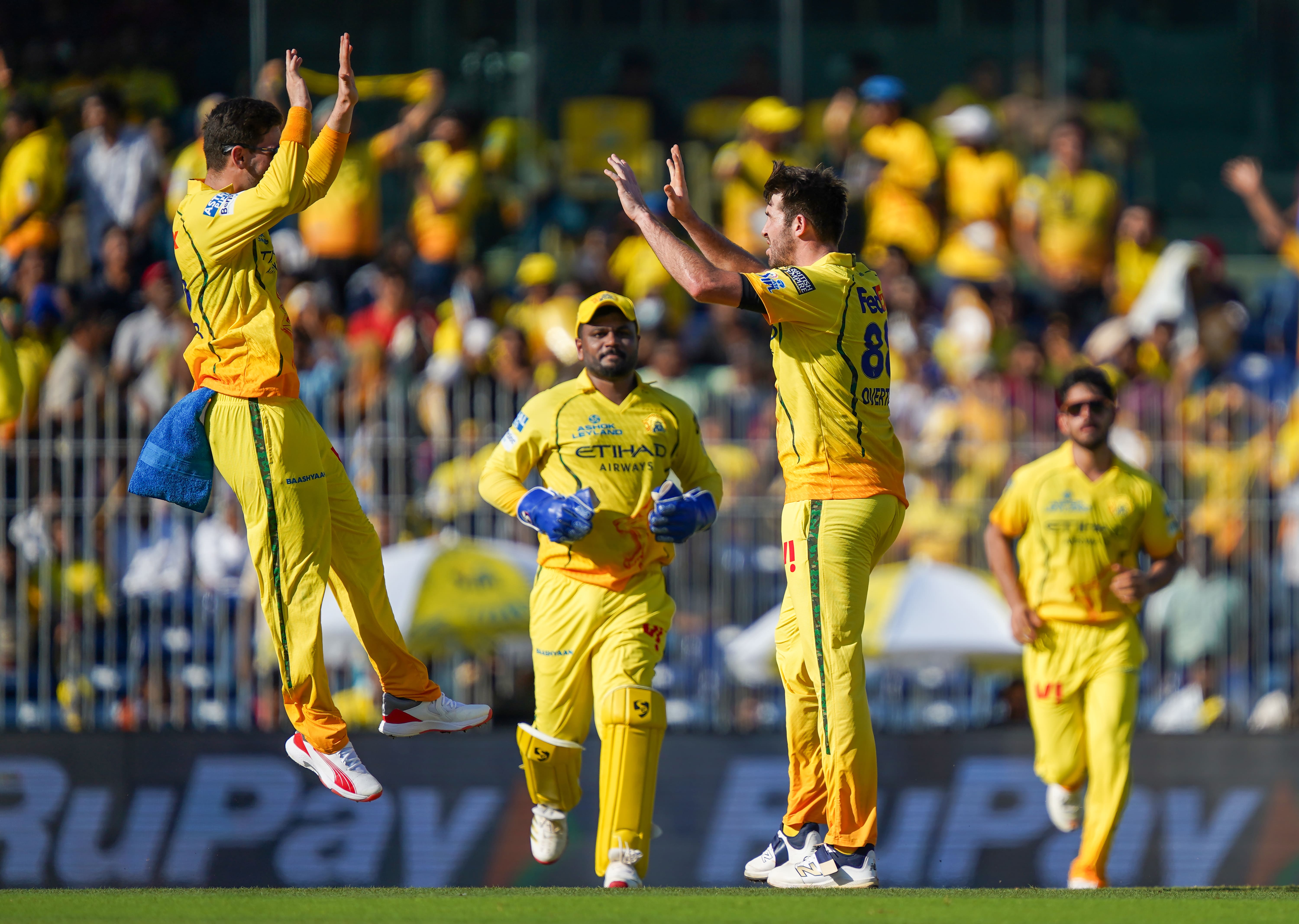
Chennai Super Kings Beat Lucknow Super Giants by Five Wickets
Chennai Super Kings defeated Lucknow Super Giants by five wickets in Match 53 of the Indian Premier League 2026 at MA Chidambaram Stadium in Chennai. The match turned into a high-scoring contest where both batting units showed aggressive intent across all phases of the innings. Lucknow Super Giants posted a strong total of 203 for 8 in their 20 overs after a powerful start from Josh Inglis and useful finishing support from Shahbaz Ahmed. In reply, Chennai Super Kings chased the target with composure and attacking clarity, finishing on 208 for 5 in 19.2 overs. The result gave Chennai an important boost in the later phase of the league season. The chase was built on smart tempo control, aggressive powerplay scoring and excellent middle-over momentum. Urvil Patel’s innings became the central moment of the contest. Chennai Super Kings handled scoreboard pressure well and remained ahead of the required rate for most of the chase. This Chennai Super Kings vs Lucknow Super Giants encounter delivered one of the most entertaining batting performances of the season.
Match Details, Toss and Venue Information
The Chennai Super Kings vs Lucknow Super Giants clash was played on Sunday, May 10, as the fifty-third match of IPL 2026. The game began at 3:30 PM local time at MA Chidambaram Stadium in Chennai. Chennai Super Kings won the toss and elected to bowl first, a decision that reflected confidence in their chasing strength and awareness of surface conditions. The stadium, which holds around 50,000 spectators, created a lively atmosphere and added intensity to the contest. Keyur Kelkar and Amit Rana served as the on-field umpires. Abhijit Bengeri was appointed third umpire while Daniel Manohar was the match referee. Chepauk remains one of the most tactically demanding venues in the IPL because teams often need both control and adaptability. In this match, the surface offered enough pace for stroke play while also demanding disciplined bowling execution. Those conditions helped shape a match defined by aggressive batting and changing momentum.
Josh Inglis Gave Lucknow Super Giants a Flying Start
Lucknow Super Giants made a rapid start after being put in to bat. Josh Inglis played one of the most aggressive innings of the match and immediately placed Chennai Super Kings under pressure. He scored 85 from just 33 deliveries, striking 10 fours and 6 sixes at a strike rate of 257.58. His intent in the powerplay gave Lucknow early momentum and allowed the batting side to build scoreboard pressure. Mitchell Marsh supported him briefly with 10 from 10 balls before falling in the sixth over. Inglis continued attacking square boundaries and punished anything short or wide. His innings changed the early direction of the match and forced Chennai to adjust bowling plans much earlier than expected. The first six overs produced 91 runs, which underlined the scale of Lucknow’s powerplay dominance. That opening phase became the foundation of the innings.
Chennai Super Kings Pulled Back Through the Middle Overs
After the explosive start, Chennai Super Kings fought back strongly through disciplined middle-over bowling. Noor Ahmad played an important role by controlling tempo and conceding only 24 runs in his four-over spell while taking the wicket of Nicholas Pooran. Jamie Overton delivered one of the most influential spells of the match, finishing with 3 for 36. He removed Josh Inglis at a crucial moment and later dismissed Rishabh Pant and Akshat Raghuwanshi. Anshul Kamboj also contributed with two wickets despite operating under pressure. Once Inglis departed, Chennai gradually slowed Lucknow’s scoring rhythm and prevented the innings from reaching an even bigger total. That middle phase changed the balance of the innings. It showed how disciplined execution and wicket-taking control can pull momentum back even after a costly powerplay. Chennai’s recovery kept the target within reach.
Shahbaz Ahmed’s Late Acceleration Took LSG Beyond 200
Shahbaz Ahmed’s finishing contribution gave Lucknow Super Giants an important final push. He remained unbeaten on 43 from 25 balls and ensured that the innings regained momentum in the closing overs. His ability to find boundaries and rotate strike under pressure helped Lucknow finish strongly after the middle-over slowdown. Himmat Singh also played a useful supporting role with 17 from 12 deliveries. The seventh-wicket partnership added useful late runs and helped the innings regain shape at a crucial stage. Lucknow closed on 203 for 8 in 20 overs at a run rate of 10.15. Crossing 200 at Chepauk placed significant scoreboard pressure on Chennai Super Kings. At that stage, Lucknow had built a total that demanded sustained aggression and clean execution from the chasing side. Shahbaz’s finish therefore proved tactically important.
Chennai Super Kings Began the Chase With Immediate Intent
Chennai Super Kings responded with exactly the kind of powerplay intent required in a chase above 200. Sanju Samson attacked early and scored 28 from 14 balls, striking three fours and two sixes. His opening aggression ensured Chennai stayed close to the required rate from the beginning. Ruturaj Gaikwad provided stability while also scoring freely, and the opening partnership gave Chennai a valuable early platform. The powerplay produced 97 runs, which immediately balanced the pressure created by Lucknow’s first innings. That phase was important because it prevented the asking rate from rising sharply. Rather than building cautiously, Chennai chose positive intent and backed their batting depth. This approach kept the innings under control. The powerplay became one of the major reasons Chennai remained ahead of the game.
Urvil Patel Produced the Defining Innings of the Match
Urvil Patel delivered the most decisive batting performance of the Chennai Super Kings vs Lucknow Super Giants contest. He scored 65 from only 23 deliveries and transformed the direction of the chase with fearless stroke play. His innings included 2 fours and 8 sixes, and he finished with an exceptional strike rate of 282.61. Urvil attacked both pace and spin, particularly through the leg side, and never allowed Lucknow’s bowlers to settle. His aggressive approach ensured that Chennai maintained momentum through the middle overs instead of slipping into a consolidation phase. The 81-run partnership with Ruturaj Gaikwad proved to be the central moment of the chase. It shifted scoreboard pressure back onto Lucknow. Urvil’s innings combined timing, power and game awareness. It became the defining batting display of the match.
Ruturaj Gaikwad Anchored the Chase With Calm Control
While Urvil Patel provided acceleration, Ruturaj Gaikwad played the important stabilizing role. The Chennai Super Kings captain scored 42 from 28 deliveries and ensured the chase maintained structure. His innings included three fours and two sixes, but more importantly it brought balance to the chase. He rotated strike intelligently, allowed attacking partners freedom and made sure the required rate remained manageable. That combination of control and adaptability proved valuable once early wickets fell. Ruturaj read match situations well and adjusted tempo according to the phase of the innings. In high-scoring chases, anchor innings often become as important as explosive cameos. His contribution quietly shaped the rhythm of the chase. It was a captain’s innings built on awareness rather than only aggression.
Shivam Dube and Prashant Veer Finished the Job
The closing phase required calm finishing and Chennai Super Kings handled it effectively. Shivam Dube remained unbeaten on 15 from 7 balls and provided timely boundary hitting when the chase tightened slightly. Prashant Veer then added a valuable unbeaten 18 from 12 deliveries and helped carry the side beyond the target. Their finishing partnership added 39 runs and removed any late uncertainty. This phase highlighted the importance of batting depth in modern IPL cricket. Rather than depending entirely on the top order, Chennai had enough lower-middle-order support to close out the chase. The side eventually reached 208 for 5 in 19.2 overs. Finishing the game with four balls remaining reflected both control and confidence. It completed an excellent chase under pressure.
Bowling Analysis Shows Why Lucknow Lost Control
Lucknow Super Giants had moments of promise with the ball but could not sustain control across phases. Digvesh Singh Rathi picked up two wickets and Shahbaz Ahmed also claimed two, but neither spell fully slowed Chennai’s scoring rate. Avesh Khan took one wicket but the bowling unit struggled to build sustained pressure. Mohammed Shami and Prince Yadav were unable to create early breakthroughs, which allowed Chennai to dominate the powerplay. In a chase of more than 200, boundary control and dot-ball pressure become essential. Lucknow were unable to consistently deliver either. Chennai’s aggressive intent meant that even wicket-taking overs did not significantly change momentum. The inability to restrict scoring in the powerplay and middle overs ultimately proved costly.
Powerplay Dominance Became the Biggest Tactical Difference
One of the biggest tactical themes in Chennai Super Kings vs Lucknow Super Giants was powerplay scoring. Lucknow Super Giants made 91 in the first six overs, but Chennai Super Kings went one better with 97. That difference, although small numerically, became important in terms of chase control. By matching early scoring pressure and slightly exceeding it, Chennai ensured they never fell behind the required run rate. Powerplay dominance often shapes how teams approach the middle phase. Because Chennai began strongly, they entered the middle overs with tactical freedom rather than scoreboard pressure. That created space for Urvil Patel’s acceleration. It also forced Lucknow to chase wickets rather than build control. In this match, powerplay execution set the tone for the final result.
Chennai Super Kings Gain Momentum at an Important Stage
The five-wicket win over Lucknow Super Giants gives Chennai Super Kings valuable momentum as IPL 2026 moves deeper into its league phase. Chasing 204 under pressure will strengthen confidence within the batting unit and reinforce the side’s tactical clarity. The match also highlighted the importance of batting depth, flexible roles and composure under scoreboard pressure. For Lucknow Super Giants, the performance showed promise with the bat but also exposed areas requiring stronger bowling control. The contest delivered quality batting, changing momentum and several important individual performances. From Josh Inglis’ powerplay attack to Urvil Patel’s match-defining innings, the game carried multiple turning points. Chennai Super Kings ultimately managed key phases more effectively. That proved to be the difference in a high-scoring and entertaining IPL contest.







Comments:
Leave a Reply