- Wed, March 16, 2022

Loading
Loading
1. CSK vs MI IPL 2026 Match Overview
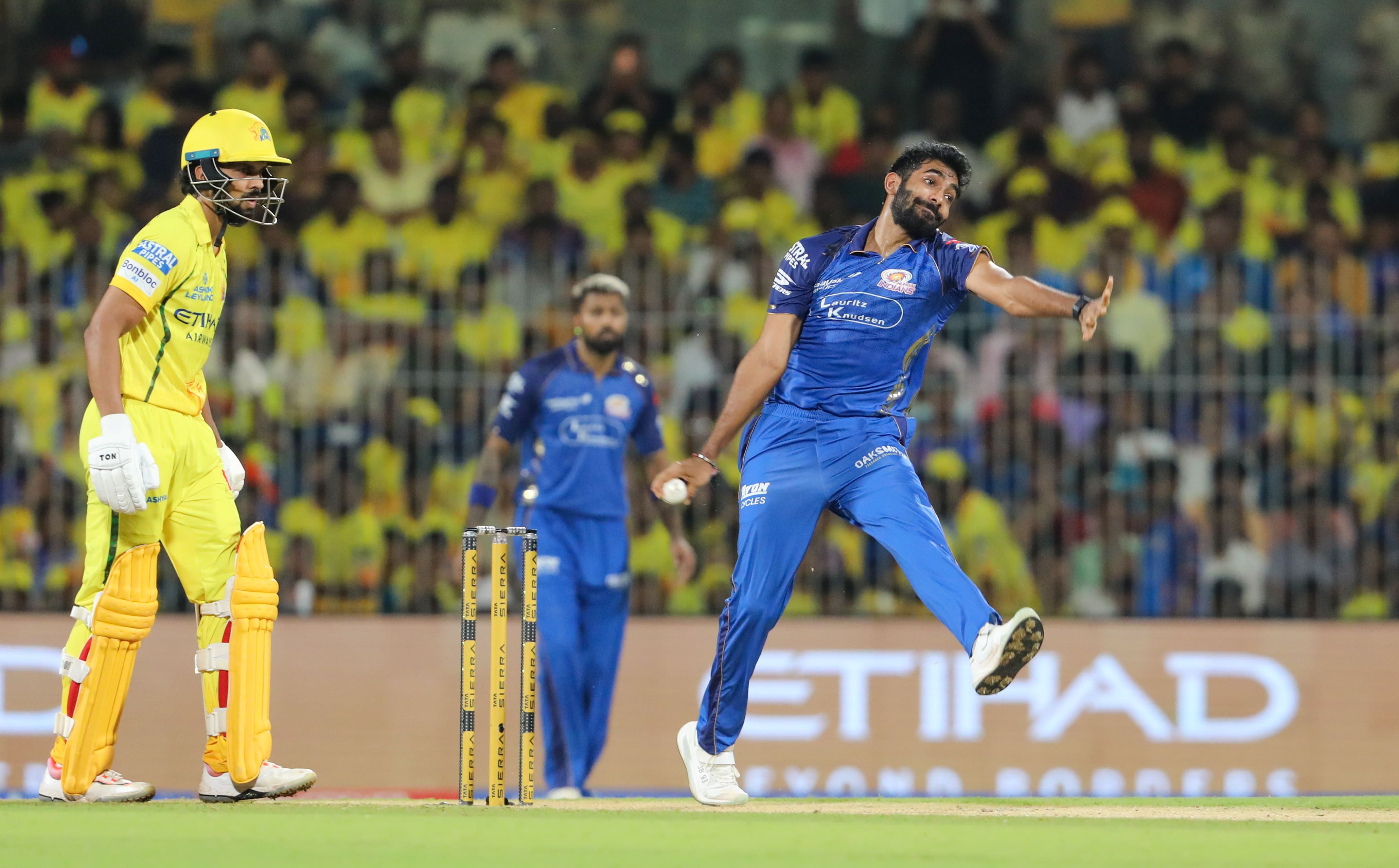
The CSK vs MI IPL 2026 clash at MA Chidambaram Stadium carried huge importance for both teams. Chennai Super Kings and Mumbai Indians entered the contest with playoff hopes still alive, which added extra pressure from the first ball. The crowd at Chepauk created a big-match atmosphere and both teams knew that one strong performance could shift their season. Mumbai Indians started with intent after winning the toss, while Chennai Super Kings focused on controlling the key phases of the innings. The match was not dominated by one team throughout because momentum changed several times. Chennai were disciplined with the ball and patient with the bat. That balance made the difference. The game eventually became a strong example of how controlling pressure moments matters in T20 cricket. In the end, Chennai Super Kings beat Mumbai Indians by 8 wickets in an important IPL 2026 result.
2. Toss Report and Captain’s Decision
Mumbai Indians captain Hardik Pandya won the toss and elected to bat first. At Chepauk, batting first often allows teams to use a fresh surface before it slows down later in the evening. Mumbai believed a competitive total could create scoreboard pressure in a must-win game. Chennai Super Kings were comfortable chasing because they understood the conditions well. The decision to bat first looked sensible in the powerplay as MI found early rhythm. However, as the innings progressed, Chennai’s bowlers started using the surface cleverly. The middle overs became difficult for free scoring. That phase slowly changed the direction of the match. In hindsight, the toss decision was good, but Chennai executed better after that.
3. Chennai Super Kings Playing XI
Chennai Super Kings fielded a balanced playing eleven with a mix of experience and youth. Sanju Samson kept wickets while Ruturaj Gaikwad led the side. The top order also included Urvil Patel and Dewald Brevis, who added attacking intent. In the middle order, Shivam Dube and Jamie Overton offered power-hitting options. The bowling unit looked strong with Noor Ahmad, Anshul Kamboj, and Mukesh Choudhary. Chennai’s lineup showed better balance compared to some of their earlier matches this season. They had batting depth and enough bowling variety for Chepauk conditions. Importantly, every player had a clear role. That clarity helped CSK execute their plans calmly.
4. Mumbai Indians Playing XI
Mumbai Indians also entered with a strong combination. Ryan Rickelton kept wickets while the batting unit featured Will Jacks, Suryakumar Yadav, Naman Dhir, Tilak Varma, and Hardik Pandya. That lineup had enough stroke-makers to post a strong total. In the bowling department, Jasprit Bumrah, Trent Boult, Krish Bhagat, and AM Ghazanfar carried major responsibility. On paper, Mumbai had enough quality to challenge Chennai. Their batting started well and looked set for a total above 170. However, their middle-order slowdown and lack of acceleration in the final overs hurt them. Despite the strong lineup, they could not fully convert their promising start. That ultimately became costly.
5. Mumbai Indians Powerplay Start
Mumbai Indians started positively after choosing to bat first. The openers showed intent and looked to use the field restrictions effectively. Early boundaries helped them settle quickly and the Chennai bowlers were forced to adjust their lengths. The first six overs gave Mumbai a decent platform to build on. At that stage, the batting side looked well placed for a total beyond 170. Chennai Super Kings were searching for a breakthrough to slow the tempo. The crowd sensed Mumbai’s early momentum. But even during the powerplay, CSK did not lose control. They stayed disciplined and waited for the middle overs to attack.
6. Middle Overs Changed the Match
The biggest shift in the CSK vs MI IPL 2026 match result came during the middle overs. After a promising start, Mumbai Indians suddenly found run-scoring difficult. Chennai Super Kings tightened their lines and forced the batters to take more risks. Singles replaced boundaries and scoreboard pressure started building. The pitch also began helping the bowlers slightly more. That phase broke Mumbai’s rhythm. Instead of accelerating, they spent too many deliveries rebuilding. In T20 cricket, those quiet overs often decide the result. Chennai used that period brilliantly and pulled the game back.
7. Mumbai Indians Innings Summary – 159/7 in 20 Overs
Mumbai Indians eventually finished at 159/7 in 20 overs. Considering their early platform, it was a total slightly below expectations. They had enough wickets in hand but could not fully capitalize at the death. Chennai’s bowling discipline denied them easy boundaries. The innings had good individual contributions, but there was no complete finishing burst. A score around 175 could have made the chase more difficult at Chepauk. Instead, 159 left the game open. Chennai knew one partnership would be enough. That gave them confidence going into the chase.
8. Naman Dhir and Ryan Rickelton’s Contributions
Naman Dhir played one of Mumbai’s best innings with 57 runs off 37 balls. His knock gave structure to the innings and kept the scoring moving during important phases. He attacked loose deliveries and rotated strike intelligently. Ryan Rickelton added 37 off 24 balls, giving MI early momentum. Their partnership helped Mumbai reach a good position. However, once wickets started falling, neither side of the innings got the finishing support required. The middle order could not convert the platform into a bigger total. That reduced the pressure on Chennai. Their efforts were valuable but not match-defining.
9. Chennai Super Kings Bowling Performance
The Chennai bowling unit delivered one of their better performances of the season. They did not panic after Mumbai’s quick start. Instead, they focused on bowling hard lengths and using variations effectively. The field placements were smart and the pressure gradually increased. Chennai controlled both scoring rate and momentum. They forced Mumbai to rebuild more than once. That control became visible in the final total. More importantly, different bowlers contributed at the right moments. It was not one spell alone but a collective effort. That bowling display laid the foundation for victory.
10. Anshul Kamboj and Noor Ahmad Turn the Game
Anshul Kamboj finished with 3/32 in 4 overs and was one of the biggest reasons behind the result. His breakthroughs came exactly when Mumbai looked ready to accelerate. He attacked good areas and made batters play under pressure. Noor Ahmad also played a major role with 2/26 in 4 overs. His control in the middle overs reduced boundary opportunities. Together, they changed the pace of the innings. Their spells prevented Mumbai from reaching a stronger total. Those overs became the turning point of the contest. Chennai gained control and never really let go.
11. Chennai Super Kings Chase Begins
Chasing 160, Chennai Super Kings approached the innings with maturity. They did not try to finish the game inside the powerplay. Instead, they focused on building a steady platform and keeping wickets in hand. The required run rate stayed under control. That reduced panic and allowed the batters to play percentage cricket. Chennai’s intent was measured rather than reckless. Once the chase settled, their stroke-making became more fluent. The innings showed strong awareness of match situation. That calm approach was important. It made the target look smaller as the overs progressed.
12. Ruturaj Gaikwad’s Match-Winning Knock
Ruturaj Gaikwad once again showed why he is so valuable to Chennai Super Kings. His 67 not out off 48 balls was built on control, timing, and smart decision-making. He absorbed early pressure and never allowed the required rate to climb. His placement and strike rotation kept the scoreboard moving. Once set, he attacked the right bowlers at the right moments. It was not a flashy innings but a very mature one. He read the conditions well and guided the chase perfectly. His calm presence helped others settle. It was clearly the defining batting performance of the match.
13. Kartik Sharma’s Important Support
Kartik Sharma played an equally valuable supporting role with 54 not out off 40 balls. He understood the situation well and complemented Ruturaj brilliantly. Instead of forcing boundaries, he focused on keeping the chase stable. His ability to rotate strike removed pressure from the main batter. When loose balls came, he capitalized. The partnership slowly took the game away from Mumbai Indians. Their unbeaten stand ensured Chennai never looked under pressure. The understanding between both batters stood out. It was a partnership built on awareness and timing.
14. Mumbai Indians Bowling in the Chase
Mumbai Indians needed early wickets while defending 159. Jasprit Bumrah and AM Ghazanfar managed one wicket each, but the pressure never stayed long enough. Chennai kept the chase under control and did not allow the bowlers to dictate terms. Mumbai missed chances to build pressure through dot-ball sequences. Their bowling lacked the wicket-taking burst required in the middle overs. Once the partnership settled, the fielding side looked short of answers. The target was defendable only with regular breakthroughs. That did not happen. As a result, Chennai finished comfortably. Mumbai’s bowling could not change momentum.
15. Match Result, Turning Points and Season Comparison
Chennai Super Kings won by 8 wickets, completing the chase in 18.1 overs. The biggest turning points were Mumbai’s middle-over slowdown, Anshul Kamboj’s crucial wickets, and the unbeaten Ruturaj–Kartik partnership. Last season, Chennai sometimes struggled in tight chases and lacked middle-order control. In IPL 2026, they appear more balanced, composed, and tactically sharper. Their bowling discipline has improved and the batting unit looks calmer under pressure. Mumbai Indians, on the other hand, still show flashes of quality but have struggled to convert promising starts into match-winning performances. This game reflected that difference clearly. Chennai executed the crucial phases better. That is why the CSK vs MI IPL 2026 match result went in their favour.


Comments:
Leave a Reply