- Wed, March 16, 2022

Loading
Loading
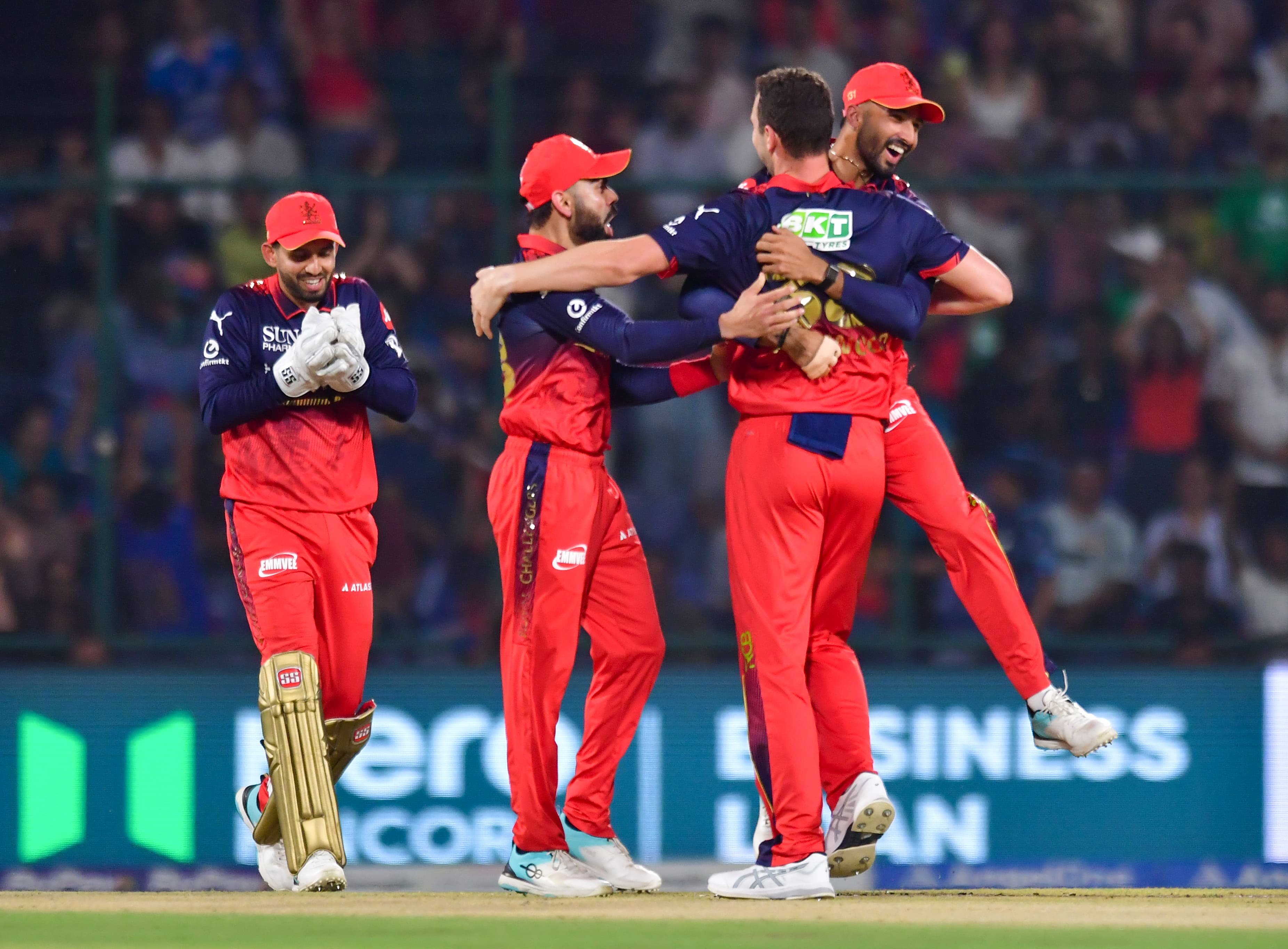
Match Overview
The 39th match of the Indian Premier League 2026 season featured an intense clash
between Delhi Capitals and Royal Challengers Bengaluru at the iconic Arun Jaitley
Stadium. Both teams came into this contest with strong intent, knowing that every point
mattered in the later stages of the tournament. The atmosphere at the stadium was
energetic, with fans expecting a high-quality contest between bat and ball. Delhi Capitals
were looking to bounce back with a strong performance, while RCB aimed to continue
their winning momentum. From the very beginning, the match carried a sense of pressure
and excitement. The strategies from both sides reflected the importance of the game. It
eventually turned into a contest where execution under pressure made the real difference.
Pitch Report and Conditions
The pitch at Arun Jaitley Stadium was expected to behave differently across the two
innings. In the early phase, there was slight assistance for bowlers, especially seamers
who could extract movement with the new ball. However, as the match progressed, the
surface became better for batting, allowing the ball to come onto the bat more smoothly.
The dew factor in the second innings also played a crucial role, making it difficult for
bowlers to grip the ball. This naturally gave an advantage to the chasing team. Batters
who settled early found it easier to accelerate later. The outfield was quick, adding more
value to timing and placement. Overall, the conditions clearly favored a team that could
plan their chase smartly.
Toss and Initial Strategy
Royal Challengers Bengaluru won the toss and opted to bowl first, a decision that aligned
perfectly with the pitch conditions. Their strategy was clear: restrict Delhi Capitals to a
manageable total and chase confidently under better batting conditions. This decision also
showed their trust in their batting lineup, which has the ability to handle pressure
situations. On the other hand, Delhi Capitals needed a strong start to put pressure back on
RCB. The toss played a significant role in shaping the direction of the match. RCB’s
choice allowed them to control the game from the beginning. Their planning and
understanding of match conditions gave them an early advantage.
Powerplay Phase Analysis
Delhi Capitals approached the powerplay with caution rather than aggression. KL Rahul
focused on building a stable innings and avoiding early risks. However, RCB bowlers
maintained tight lines and lengths, which restricted the scoring opportunities. The lack of
boundaries in the early overs increased pressure on the batting side. Even though wickets
were not falling rapidly, the scoring rate remained below expectations. This slow start
meant Delhi Capitals could not take full advantage of field restrictions. RCB’s
disciplined bowling in this phase set the tone for the rest of the innings. It created a strong
foundation for controlling the middle overs.
Delhi Capitals Batting Performance
As the innings moved forward, Delhi Capitals struggled to find consistency in their
batting approach. David Miller and Tristan Stubbs attempted to increase the scoring rate,
but regular wickets disrupted their plans. The team lacked strong partnerships, which is
crucial in building a competitive total in T20 cricket. Captain Axar Patel tried to stabilize
the innings and guide the team, but the pressure kept building. The inability to rotate
strike consistently added to their struggles. Big shots came occasionally but were not
sustained. Overall, the innings lacked momentum and failed to reach its full potential.
Middle Overs Pressure and Collapse
The middle overs turned out to be the most critical phase for Delhi Capitals. RCB
bowlers applied constant pressure by maintaining accuracy and discipline. Wickets at
regular intervals broke any chance of building partnerships. The batters found it difficult
to rotate strike, which further increased pressure. This phase completely shifted the
momentum towards RCB. Delhi Capitals were unable to recover once the collapse began.
The lack of intent and inability to adapt to the situation hurt their chances. It was during
these overs that the match started slipping away from them.
RCB Bowling Performance
Royal Challengers Bengaluru delivered a complete bowling performance, executing their
plans with precision. Bhuvneshwar Kumar was exceptional in the powerplay, controlling
the flow of runs and creating early pressure. Josh Hazlewood played a key role by
picking up crucial wickets at important moments. Krunal Pandya supported the attack
with economical bowling and smart variations. The bowlers worked as a unit, ensuring
there were no easy runs given away. Their consistency forced mistakes from the batters.
This disciplined effort helped restrict Delhi Capitals to a below-par total.
RCB Chase and Batting Performance
Chasing the target, Royal Challengers Bengaluru displayed calmness and confidence
from the start. Virat Kohli anchored the innings with his experience, focusing on building
a strong base. Rajat Patidar provided solid support, ensuring there was no pressure during
the middle overs. The partnership between them played a crucial role in controlling the
chase. As the match progressed, Tim David stepped in with aggressive hitting to finish
the game. The batting approach was well-balanced, combining caution with calculated
aggression. RCB never allowed the required run rate to rise. Their execution made the
chase look comfortable.
Partnerships That Made the Difference
One of the biggest reasons behind RCB’s victory was their ability to build partnerships.
Unlike Delhi Capitals, RCB ensured there were no sudden collapses or pressure
situations. Each batter contributed by rotating strike and supporting the partner at the
other end. These partnerships helped maintain a steady scoring rate throughout the
innings. The communication between batters was clear and effective. This reduced the
chances of mistakes and unnecessary risks. Partnerships are often the backbone of
successful chases, and RCB executed this perfectly. It ultimately made the difference
between the two teams.
Death Overs Execution
RCB showed excellent control in the death overs, handling the final phase of the chase
with maturity. There was no panic or unnecessary aggression, as the batters stuck to their
plan. They picked the right bowlers to attack and rotated strike smartly when boundaries
were not available. The finishing was smooth and efficient, leaving no opportunity for
Delhi Capitals to make a comeback. This phase highlighted RCB’s experience and
composure under pressure. Their ability to stay calm ensured a comfortable victory. It
was a perfect example of how to close out a T20 chase.
Key Turning Points of the Match
The match had several key moments that decided its outcome. The slow start by Delhi
Capitals in the powerplay created early pressure. The middle overs collapse further
pushed them on the back foot. RCB’s disciplined bowling ensured that Delhi never
recovered. During the chase, the strong partnerships built by RCB eliminated any chance
of pressure. The controlled finishing phase sealed the match. Each of these moments
contributed to RCB’s dominance. These turning points clearly highlight how small
phases can decide big matches.
Final Result and Conclusion
Royal Challengers Bengaluru secured a convincing victory with a complete and well-
planned performance. Their bowling attack executed strategies perfectly, while their
batting lineup handled the chase with confidence. Delhi Capitals showed glimpses of
potential but failed to maintain consistency across all phases. The match highlighted the
importance of partnerships, discipline, and smart decision-making in T20 cricket. RCB’s
dominance was evident in both innings, making them the deserving winners. This victory
strengthens their position in the tournament. Meanwhile, Delhi Capitals will need to
regroup and improve in their






Comments:
Leave a Reply