- Wed, March 16, 2022

Loading
Loading
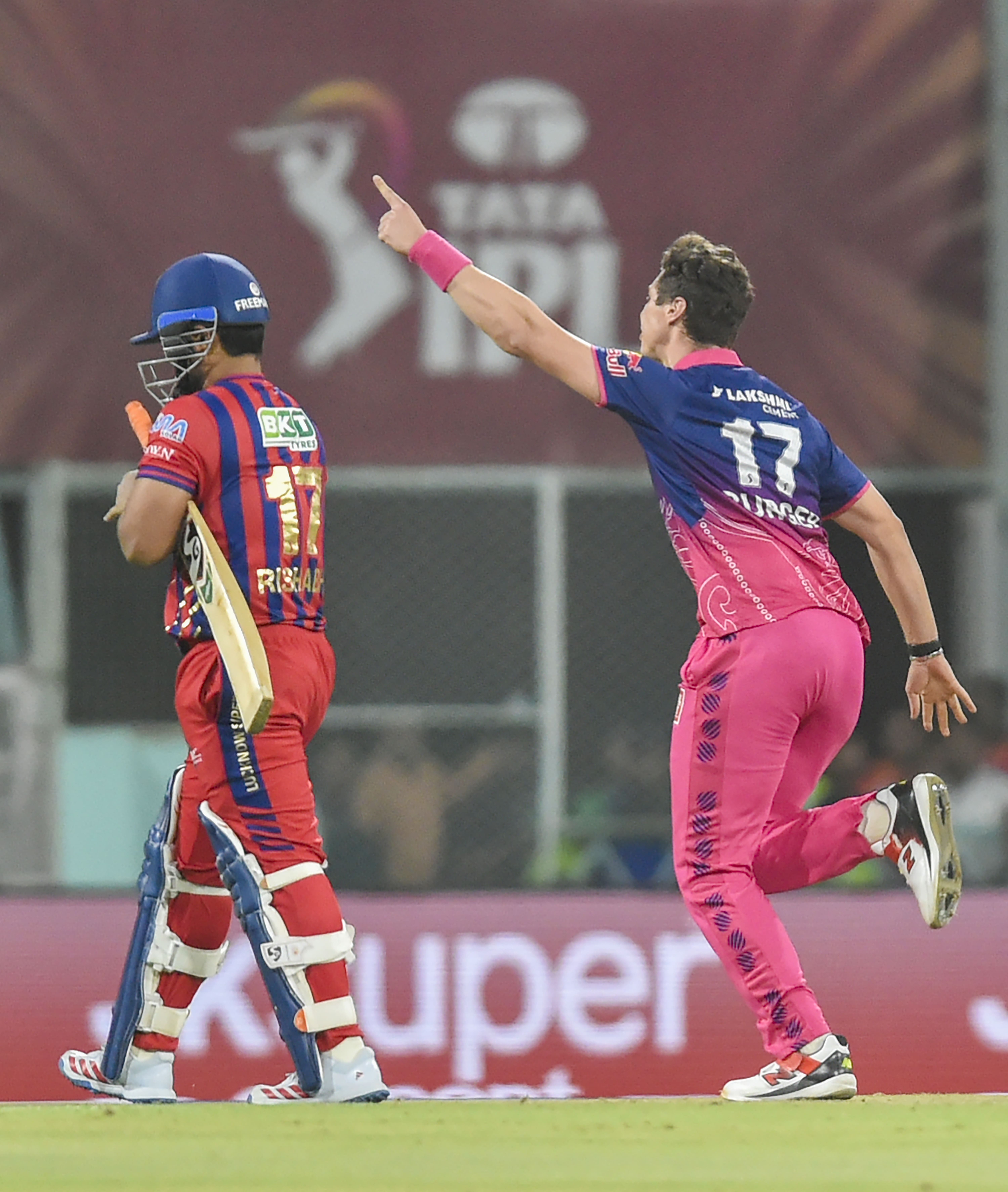
Match Overview:
A Game Decided in Phases, Not Moments
The LSG vs RR IPL 2026 match on April 22 was not decided by one single big moment or a
last-over twist. Instead, it was a game that slowly slipped away from Lucknow Super Giants
across multiple phases. Rajasthan Royals did not dominate instantly, but they built their
control step by step, capitalizing on every small mistake made by LSG.
In T20 cricket, matches are often decided in short bursts of momentum, and in this contest,
Rajasthan Royals managed those moments far better. Lucknow, on the other hand,
struggled to respond at the right time, which ultimately cost them the match.
Turning Point 1: Powerplay Collapse Sets the Tone
The first and most crucial turning point came during the powerplay. This phase is extremely
important in T20 cricket, as it sets the tone for the entire innings. Teams usually aim to
score quickly while taking advantage of fielding restrictions.
However, Lucknow Super Giants faced early setbacks by losing key wickets. Instead of
building a strong foundation, they were pushed into a defensive situation almost
immediately.
This early collapse forced the incoming batters to shift their mindset from attacking to
survival. As a result, the scoring rate dropped, and pressure started building right from the
beginning. Rajasthan Royals used this opportunity perfectly by tightening their bowling and
not allowing any easy runs.
This phase alone created the base for Rajasthan’s dominance later in the match.
Turning Point 2: Middle Overs Slowdown Breaks Momentum
If the powerplay created pressure, the middle overs completely broke Lucknow’s
momentum. This phase is where teams usually stabilize or accelerate depending on the
situation, but LSG failed to do both.
The batters struggled to rotate strike effectively, leading to a significant number of dot balls.
Instead of keeping the scoreboard moving, they allowed Rajasthan Royals to control the
pace of the game.
Rajasthan’s bowlers maintained discipline, bowled according to the field placements, and
ensured that LSG could not find boundaries easily. This created a situation where the
required acceleration became more difficult with each passing over.
The lack of partnerships during this phase made things worse. No batter was able to stay
long enough to build a solid stand, which meant the innings never gained stability.
By the end of the middle overs, Lucknow Super Giants had already lost control of the game.
Turning Point 3: Death Overs Failure Seals the Outcome
The final and most decisive turning point came during the death overs. This is the phase
where teams usually look to accelerate and add maximum runs to their total.
For Lucknow Super Giants, this was an opportunity to recover and push their score to a
competitive level. However, they failed to capitalize on this phase.
Instead of attacking effectively, they struggled to find boundaries and were unable to take
advantage of loose deliveries. Rajasthan Royals executed their bowling plans perfectly,
mixing pace and maintaining accuracy.
The inability to accelerate in the final overs meant that LSG ended up with a below-par total.
In modern T20 cricket, finishing strong is crucial, and this failure significantly reduced their
chances of defending the score.
How Rajasthan Royals Took Complete Control
While Lucknow Super Giants were losing control, Rajasthan Royals were quietly
strengthening their grip on the match.
They identified the key moments and executed their plans perfectly. Their bowlers applied
pressure in the powerplay, maintained control in the middle overs, and finished strongly in
the death overs.
During the chase, Rajasthan Royals carried this momentum forward. They played with
clarity, avoided unnecessary risks, and ensured that the required run rate never became a
problem.
This ability to stay consistent across all phases made the difference between the two teams.
Game Awareness and Execution: The Real Difference
One of the biggest reasons behind Rajasthan Royals’ victory was their superior game
awareness. They understood the situation at every stage and made decisions accordingly.
Lucknow Super Giants, on the other hand, lacked clarity in their approach. Their game plan
kept changing under pressure, and they were unable to adapt to the situation.
This difference in execution and decision-making played a crucial role in deciding the
outcome of the match.
Conclusion: Small Moments That Made a Big Difference
In the end, the LSG vs RR IPL 2026 match was a perfect example of how small moments can
have a big impact on the result.
From the powerplay collapse to the middle overs slowdown and the failure in the death
overs, Lucknow Super Giants lost the match in phases rather than a single moment.
Rajasthan Royals capitalized on each of these phases, turning small advantages into a
complete domination.
This match highlights the importance of consistency, partnerships, and execution in T20
cricket—areas where Rajasthan Royals clearly outperformed Lucknow Super Giants.


Comments:
Leave a Reply