- Wed, March 16, 2022

Loading
Loading
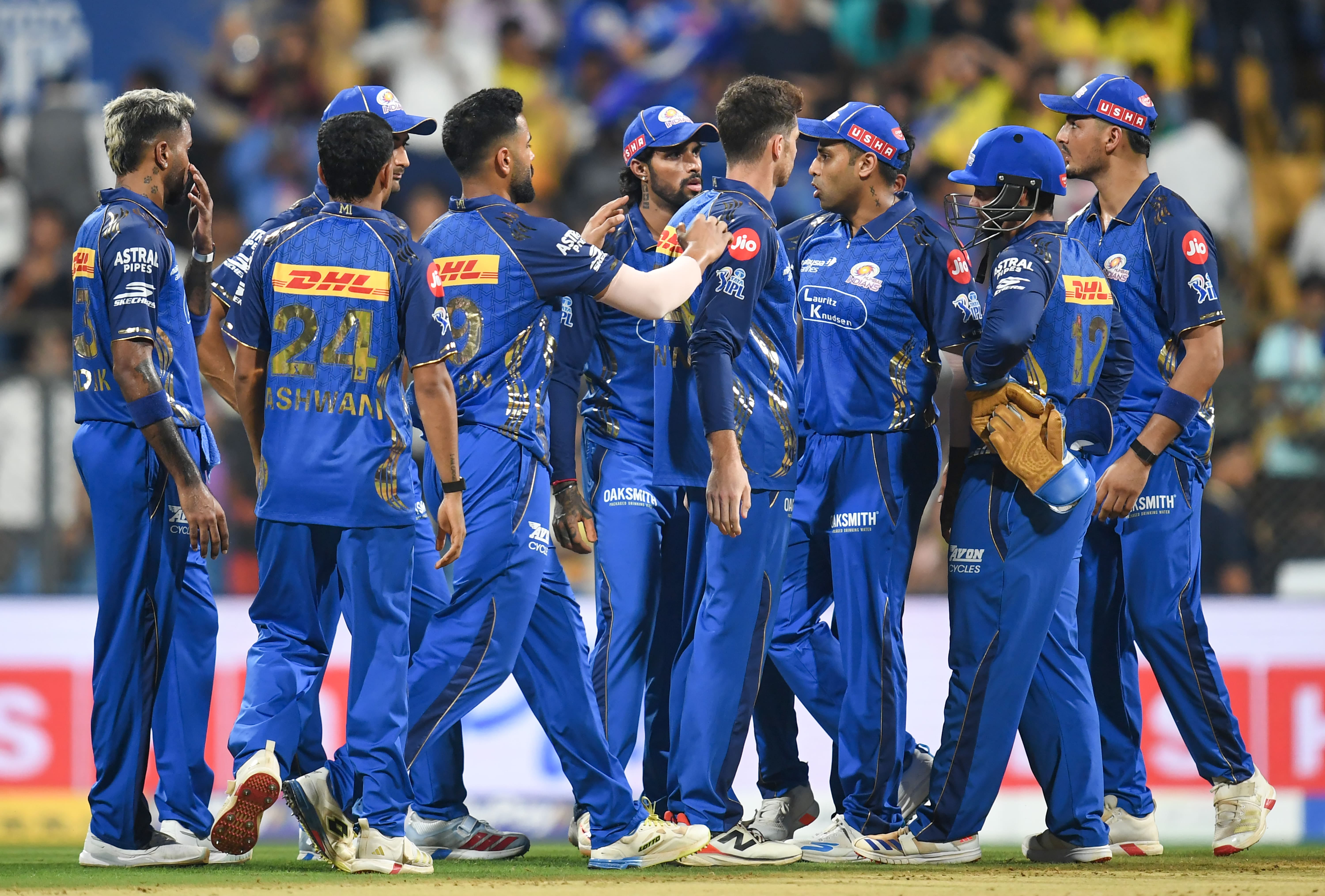
A Match That Slipped Away from Mumbai Indians
Mumbai Indians entered this match with strong expectations, especially considering their
past performances and ability to chase big targets. However, this game against Chennai
Super Kings revealed a completely different story. Instead of showing control and
confidence, Mumbai looked under pressure from the very beginning, and slowly, the match
started slipping away from their hands.
The biggest question from this match is not just how Chennai won, but where exactly
Mumbai Indians lost the game. The answer lies in multiple phases of the match where small
mistakes turned into major setbacks.
Powerplay Struggles: The First Major Setback
The first clear sign of trouble came during the powerplay. In T20 cricket, especially while
chasing a big target, the powerplay sets the tone for the entire innings. Mumbai Indians
needed a strong and aggressive start, but instead, they lost early wickets.
This completely changed the approach of the innings. Instead of attacking freely, the middle
order was forced to play cautiously. The pressure started building immediately, and
Chennai bowlers used this to their advantage.
If Mumbai had managed to score around 60–70 runs without losing key wickets in the
powerplay, the entire match situation could have been different.
Middle Overs Slowdown: Where the Game Slipped Further
The most critical phase where Mumbai Indians slowed down was the middle overs. This is
the stage where teams either build momentum or lose control—and unfortunately for
Mumbai, it was the latter.
Even when batters like Suryakumar Yadav and Tilak Varma were at the crease, the scoring
rate did not match the required pace. Instead of rotating strike consistently and finding
boundaries, Mumbai struggled to keep up with the required run rate.
This slowdown created additional pressure for the death overs. By the time Mumbai tried to
accelerate, the required run rate had already gone too high, making the chase extremely
difficult.
Comparison: Mumbai Indians 2025 vs 2026 Performance
When we compare Mumbai Indians’ approach in IPL 2025 with IPL 2026, the difference
becomes very clear.
In 2025, Mumbai showed strong intent during chases. Their top order played aggressively,
middle-order partnerships were solid, and they maintained a healthy run rate throughout
the innings.
However, in 2026, especially in this match, that confidence was missing. The batting looked
uncertain, partnerships were short, and the team failed to build momentum.
The biggest difference was mindset—2025 Mumbai Indians played to win, while 2026
Mumbai Indians looked like they were trying to avoid losing.
Missed Opportunities That Changed the Game
There were several moments in the match where Mumbai Indians had opportunities to take
control but failed to capitalize.
During Chennai’s innings, Mumbai could have restricted the total below 190 if they had
executed better in the death overs. Poor bowling execution allowed Chennai to cross 200,
which added huge pressure.
Similarly, during the chase, a strong partnership in the middle overs could have brought
Mumbai back into the game. But every time a partnership started building, Chennai broke it
at the right moment.
These missed opportunities slowly pushed Mumbai out of the contest.
Who Played Well for Mumbai Indians
Despite the loss, there were a few positives for Mumbai Indians.
Suryakumar Yadav showed glimpses of his class with a composed innings, trying to stabilize
the chase under pressure. Tilak Varma also played a supporting role, showing intent and
fighting spirit.
However, their efforts were not enough because they lacked support from other batters. In
T20 cricket, one or two players cannot win the match alone—it requires collective
performance.
What Mumbai Indians Could Have Done Differently
If we look at the match from a tactical point of view, there are a few key things Mumbai
Indians could have done differently.
Firstly, they needed a stronger and more aggressive powerplay. A good start would have
reduced pressure on the middle order.
Secondly, they should have maintained better strike rotation during the middle overs
instead of allowing dot balls to build pressure.
Finally, better execution in the death overs while bowling could have reduced Chennai’s
total, making the chase more manageable.
If these areas had been handled better, Mumbai Indians could have easily been in a winning
position.
Chennai’s Consistency vs Mumbai’s Inconsistency
Another major difference between the two teams was consistency. Chennai Super Kings
executed their plans perfectly in every phase—batting, bowling, and fielding.
Mumbai Indians, on the other hand, lacked consistency. Their performance had too many
ups and downs, which made it difficult to control the game.
This difference in execution played a huge role in deciding the outcome of the match.
Conclusion: A Lesson for Mumbai Indians
This match will serve as an important lesson for Mumbai Indians. It clearly showed that
small mistakes in T20 cricket can lead to big losses.
From powerplay struggles to middle overs slowdown and missed opportunities, Mumbai
lost the game in phases rather than a single moment.
If they can learn from these mistakes and return with better planning and execution, they
still have the potential to bounce back in the tournament.
But for this match, Chennai Super Kings were simply the better team in every aspect.






Comments:
Leave a Reply