- Wed, March 16, 2022

Loading
Loading
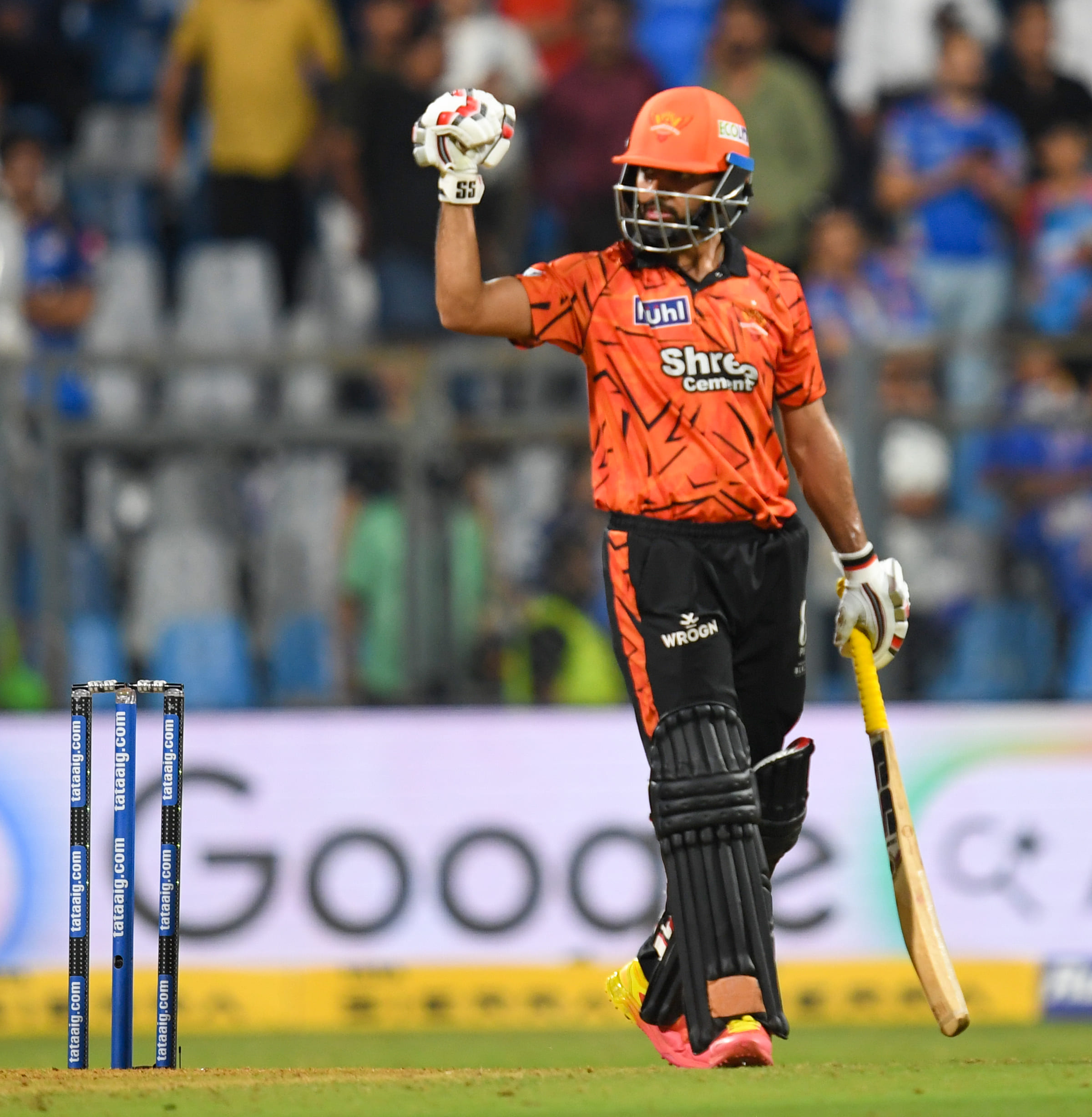
Match Overview – A High-Pressure Clash at Wankhede
The 41st match of the Indian Premier League 2026 between Mumbai Indians and Sunrisers Hyderabad at Wankhede Stadium delivered an intense and competitive contest that lived up to expectations. The pitch at Wankhede once again proved to be batting-friendly, offering good bounce and carry for stroke-making. From the very beginning, both teams showed aggressive intent, knowing the importance of this match in the tournament standings. The atmosphere was electric, with fans expecting a high-scoring thriller, and the players responded with energy and confidence. Momentum kept shifting between both sides, making it difficult to predict the outcome at any stage. Each phase of the game had its own story, from explosive batting to disciplined bowling spells. The match also highlighted the importance of handling pressure in crucial moments. With quality players on both sides, the contest became a tactical battle as well as a display of individual brilliance. In the end, it turned out to be a game where execution under pressure made all the difference.
Toss Impact – Mumbai’s Aggressive Intent
Winning the toss, Hardik Pandya made a bold decision to bat first, clearly indicating Mumbai Indians’ aggressive approach towards the game. On a ground like Wankhede, where chasing can sometimes become tricky under scoreboard pressure, setting a target was a strategic move. The decision also reflected the team’s confidence in their batting lineup, which is capable of putting up big scores. By choosing to bat, Mumbai aimed to dominate the powerplay and build a strong foundation for a high total. The toss decision played a crucial role in shaping the match, as it allowed MI to dictate the tempo early on. It also put immediate pressure on the SRH bowlers, who had to start strong to restrict runs. Additionally, batting first gave MI the advantage of using their experienced bowlers later under pressure conditions. The captain’s decision proved to be tactically sound as the match progressed. Overall, the toss became the first important step in Mumbai’s path towards controlling the game.
Mumbai Indians Batting – Power, Pressure & Partnerships
Mumbai Indians’ batting performance was a perfect blend of aggression and composure, which helped them build a competitive total. The openers started confidently, making full use of the powerplay and scoring quick runs to set the tone. As the innings progressed, Suryakumar Yadav took control and played a crucial role in stabilizing the innings while maintaining a healthy strike rate. His ability to find gaps and play innovative shots kept the scoreboard moving consistently. Tilak Varma supported him well, forming an important partnership that added stability in the middle overs. The team focused on rotating the strike and minimizing dot balls, which helped maintain momentum. In the final overs, Hardik Pandya accelerated the scoring with powerful hitting, ensuring a strong finish. Despite losing a few wickets, MI never allowed SRH to completely dominate. Their batting strategy was clearly well-planned and executed efficiently. This balanced performance across all phases of the innings played a key role in setting up the match.
Sunrisers Hyderabad Bowling – Discipline Under Pressure
Sunrisers Hyderabad’s bowling unit showed determination and discipline while facing a strong Mumbai batting lineup. Leading from the front, Pat Cummins tried to control the flow of runs with smart variations and tight lines. The bowlers focused on maintaining consistent lengths to avoid giving easy scoring opportunities. During the middle overs, SRH managed to slow down the run rate slightly by picking up timely wickets. This phase helped them regain some control and keep the match competitive. However, the pressure of death overs proved challenging, as MI batters capitalized on scoring opportunities. The inability to execute yorkers and slower deliveries consistently resulted in extra runs being conceded. Despite these challenges, the bowlers displayed fighting spirit and kept pushing for breakthroughs. Their performance was not entirely ineffective but lacked the finishing precision needed at crucial moments. Overall, SRH’s bowling effort was decent but not strong enough to completely stop Mumbai’s momentum.
SRH Chase – Explosive Start but Mid-Innings Collapse
Sunrisers Hyderabad began their chase with a positive and aggressive mindset, aiming to take control early in the innings. The opening pair, including Travis Head and Abhishek Sharma, provided a strong start by attacking the bowlers during the powerplay. Their intent helped SRH stay ahead of the required run rate initially. Ishan Kishan further contributed by playing attacking shots and keeping the scoreboard ticking. However, the turning point came during the middle overs when wickets started falling in quick succession. This sudden collapse disrupted the team’s rhythm and increased pressure on the remaining batters. As the required run rate climbed, SRH players were forced to take more risks, leading to further dismissals. The loss of key players at crucial moments made it difficult to build partnerships. Despite their strong start, SRH could not maintain consistency throughout the innings. This phase ultimately defined the outcome of the match.
Mumbai Indians Bowling – Control & Comeback
Mumbai Indians’ bowling attack showcased excellent control and composure, especially after the initial aggressive start by SRH. The bowlers quickly adapted to the conditions and started applying pressure by maintaining tight lines and lengths. Jasprit Bumrah played a key role by picking up crucial wickets at important stages of the game. His ability to bowl under pressure and deliver accurate yorkers made a significant difference. Trent Boult also contributed by providing early breakthroughs, which helped MI gain momentum. The middle overs were controlled effectively, with bowlers focusing on minimizing boundaries and building pressure. This strategy forced SRH batters into making mistakes. In the death overs, MI maintained discipline and avoided giving away easy runs. Their coordinated effort as a bowling unit ensured that SRH never fully recovered from their collapse. This strong bowling performance was one of the key reasons behind Mumbai’s victory.
Key Turning Points of the Match
The match witnessed several crucial turning points that ultimately decided the outcome. Mumbai Indians’ strong start in the powerplay gave them early momentum and confidence. The partnership between Suryakumar Yadav and Tilak Varma played a vital role in stabilizing the innings during the middle overs. Another major turning point was SRH’s sudden collapse, where they lost multiple wickets in a short span. This shift completely changed the direction of the game. Jasprit Bumrah’s impactful spell added further pressure on SRH, making it difficult for them to recover. Additionally, MI’s effective death bowling ensured that the opposition could not accelerate towards the end. Each of these moments contributed significantly to the final result. The match highlighted how small phases can influence the overall outcome in T20 cricket. Teams that handle pressure better during these phases often emerge victorious. This game was a perfect example of that principle.
Final Result – Mumbai Indians Hold Their Nerve
In the end, Mumbai Indians successfully defended their total with a composed and disciplined performance. Their ability to stay calm under pressure and execute their plans effectively played a crucial role in securing the win. The team showed strong coordination between batting and bowling departments, which ensured control over the match. Even when SRH started aggressively, MI did not panic and stuck to their strategies. This calm approach helped them regain momentum and dominate the later stages of the game. The bowlers executed their plans perfectly in the death overs, restricting SRH from chasing down the target. The victory added important points to Mumbai’s campaign in IPL 2026. It also boosted the team’s confidence for upcoming matches. Overall, it was a well-deserved win for Mumbai Indians based on their all-round performance. Powerplay Analysis – The Tone Setter of the Match
The powerplay phase played a crucial role in shaping the overall momentum of the match, as both teams approached it with aggressive intent. Mumbai Indians, after opting to bat, focused on maximizing scoring opportunities in the first six overs by targeting loose deliveries and rotating strike effectively. Their openers showed confidence and composure, ensuring a steady flow of runs without taking unnecessary risks. On the other hand, Sunrisers Hyderabad bowlers tried to maintain disciplined lines and lengths but found it challenging to contain the scoring rate. When SRH came out to chase, they mirrored MI’s approach by starting aggressively, trying to stay ahead in the game. The early boundaries boosted confidence but also increased expectations. However, while both teams had strong starts, maintaining that intensity proved to be the real challenge. The powerplay phase ultimately gave MI a slight edge due to better control and fewer risks. This early advantage played a key role in building pressure later in the match.
Crucial Partnerships – Backbone of the Innings
Partnerships played a defining role in this match, especially in stabilizing the innings during critical moments. Mumbai Indians relied heavily on their middle-order partnerships to rebuild momentum after losing early wickets. The understanding between batters ensured proper strike rotation and minimized dot balls, which is essential in T20 cricket. These partnerships not only added valuable runs but also helped in maintaining composure under pressure. In contrast, Sunrisers Hyderabad struggled to build long-lasting partnerships during their chase. While they had a promising start, the inability to convert it into a strong middle-order stand proved costly. Frequent wickets disrupted their rhythm and prevented them from settling into the chase. Partnerships are often the backbone of successful innings, and MI executed this aspect much better than SRH. This difference ultimately created a gap that SRH could not recover from.
Middle Overs Strategy – Where the Game Shifted
The middle overs phase turned out to be the most decisive part of the match, where the real battle between bat and ball unfolded. Mumbai Indians approached this phase with a clear strategy of maintaining a steady run rate while preserving wickets for a late acceleration. Their batters showed patience and maturity, choosing the right moments to attack. On the other hand, SRH bowlers tried to apply pressure by slowing down the scoring rate and forcing mistakes. When SRH came to bat, the same phase became their biggest challenge, as MI bowlers executed tight lines and lengths. This resulted in increased dot balls and rising pressure, eventually leading to wickets. The shift in momentum during this phase was clearly visible, as SRH lost control of the chase. Middle overs often decide the outcome in T20 matches, and this game was no exception. MI’s superior execution in this phase gave them a significant advantage.
Death Overs Impact – The Final Game Changer
The death overs played a crucial role in determining the final outcome of the match, as both teams looked to maximize their performance in the last few overs. Mumbai Indians capitalized on this phase brilliantly while batting, scoring crucial runs through aggressive hitting and smart shot selection. Their finishers ensured that the team posted a competitive total by targeting weaker deliveries. In contrast, Sunrisers Hyderabad struggled to contain the run flow during this phase, conceding more runs than expected. During the chase, SRH needed a strong finish but failed to execute under pressure. Mumbai’s bowlers, especially in the death overs, showed excellent discipline by sticking to their plans. They avoided giving away easy boundaries and executed yorkers effectively. This contrast in performance during the final overs proved to be a major difference between the two teams. The death overs ultimately sealed the game in favor of Mumbai Indians.
Captaincy & Tactical Decisions – Leadership Under Pressure
Captaincy played a vital role in this high-pressure encounter, with both teams relying on their leaders to make crucial decisions. Hardik Pandya showed strong leadership skills by making bold choices, starting with the decision to bat first. His field placements and bowling changes reflected a clear understanding of match situations. He rotated his bowlers effectively, ensuring that pressure was maintained on the opposition throughout the innings. On the other hand, Pat Cummins also tried to manage his resources wisely, but certain moments required sharper execution. Tactical decisions such as bowling changes and field settings played a crucial role in key moments. Mumbai Indians appeared more proactive and confident in their approach. Leadership under pressure often defines the outcome of close matches, and MI clearly had the edge in this aspect. This difference in captaincy contributed significantly to the final result.
Pressure Moments – Where SRH Lost Control
Pressure situations often reveal the true strength of a team, and this match had several such moments that influenced the outcome. Sunrisers Hyderabad started well but struggled when the pressure started building during the middle overs. The rising required run rate forced batters to take risks, leading to poor shot selection and wickets. Mumbai Indians, on the other hand, handled pressure situations much more effectively. Their bowlers maintained composure and executed their plans without panic. Key moments such as consecutive wickets and tight overs created immense pressure on SRH. These situations disrupted their momentum and made recovery difficult. Handling pressure is a crucial aspect of T20 cricket, and MI demonstrated better control in this area. SRH’s inability to manage these moments ultimately cost them the match.
Match Momentum Flow – How the Game Evolved
The match saw multiple shifts in momentum, making it an exciting contest for fans. Mumbai Indians started strong with the bat, setting a solid foundation in the powerplay. As the innings progressed, they maintained a steady flow of runs through partnerships. SRH managed to pull things back slightly during the middle overs but lost control in the death overs. During the chase, SRH initially gained momentum with aggressive batting but failed to sustain it. The middle overs collapse completely changed the direction of the game. Mumbai’s bowlers capitalized on this shift and tightened their grip on the match. Momentum in T20 cricket can change quickly, and this game was a perfect example of that. Teams that adapt quickly to these changes often come out on top. Mumbai Indians managed the momentum better, which ultimately led to their victory. Conclusion – A Complete Team Performance
This match clearly demonstrated the strength and depth of Mumbai Indians as a team in the IPL 2026 season. Their batting lineup showed consistency and adaptability across different phases of the innings. The bowlers complemented this effort with disciplined and strategic execution. Leadership from Hardik Pandya played a key role in making crucial decisions at the right time. On the other hand, Sunrisers Hyderabad showed moments of brilliance but lacked consistency in critical phases. Their inability to handle pressure during the middle overs proved costly. Matches like this highlight the importance of maintaining momentum throughout the game. Teams that perform consistently across all departments tend to dominate in tournaments like the IPL. Mumbai Indians successfully showcased this balance in this match. This performance reinforces their position as strong contenders in the competition.




Comments:
Leave a Reply