- Wed, March 16, 2022

Loading
Loading
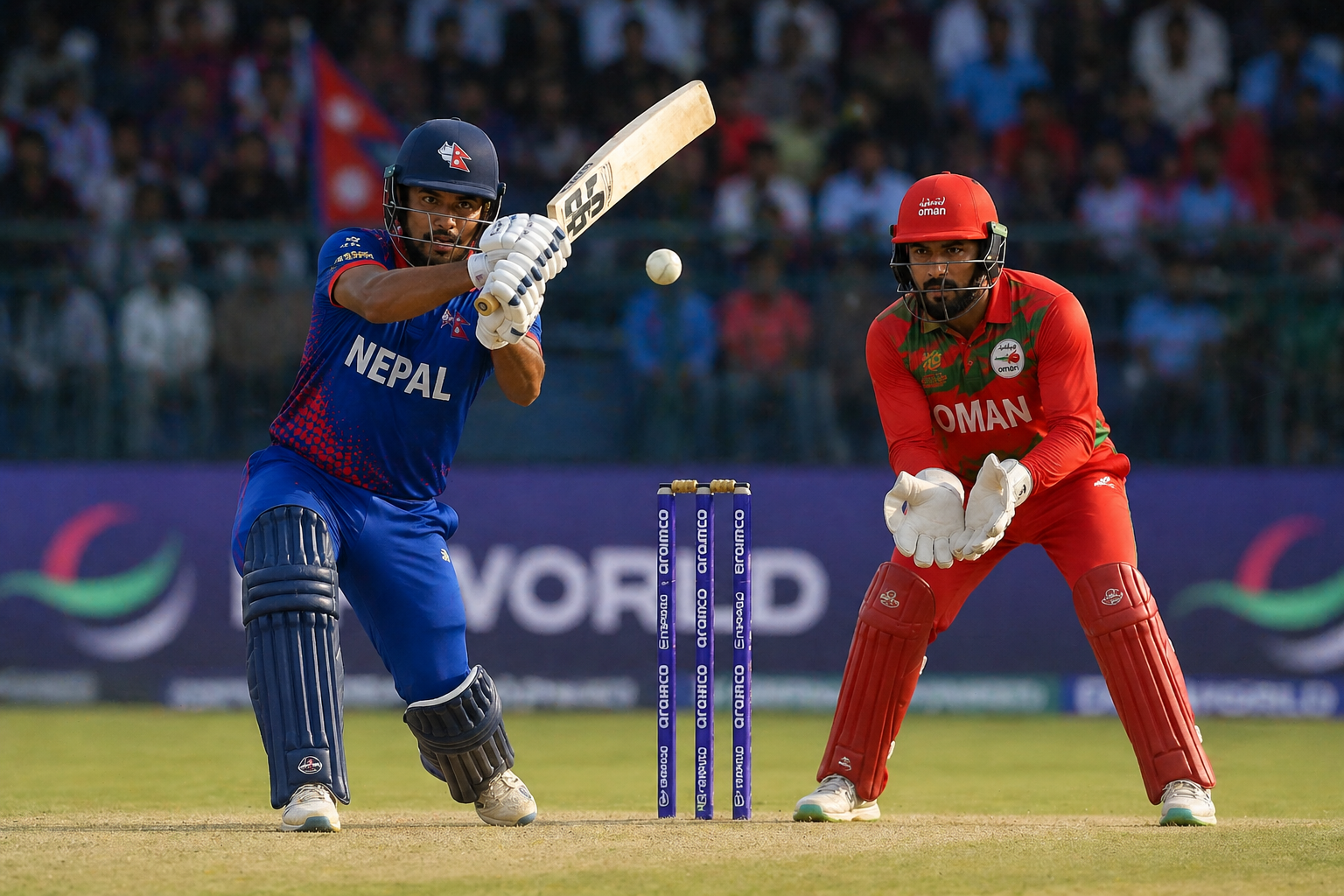
Match Update
The recent encounter between the Nepal national cricket team and the Oman national cricket team once again highlighted the growing competitiveness and evolving standards of associate-level international cricket. While this match may not have attracted the same level of global attention as high-profile leagues or major ICC tournaments, it carried significant importance for both teams in terms of rankings, player development, and long-term strategic growth. Over the past few years, both Nepal and Oman have made noticeable progress in international cricket, consistently challenging stronger teams and improving their overall performance. This particular match served as another opportunity for both sides to test their squad combinations, evaluate player form, and build momentum for upcoming fixtures in the international calendar. Nepal, backed by one of the most passionate fan bases in associate cricket, entered the contest with a focus on maintaining their aggressive style of play while also improving consistency, especially in pressure situations. Oman, on the other hand, has built a reputation for disciplined cricket, relying on structured gameplay, tight bowling, and calculated batting strategies to compete effectively against various opponents.
From a broader perspective, matches like Nepal vs Oman play a crucial role in shaping the future of international cricket beyond the traditional full-member nations. These fixtures provide valuable exposure to players who are striving to establish themselves on the global stage, offering them the chance to gain experience in different match scenarios and conditions. The importance of such games goes beyond just the result, as they contribute to the overall development of cricket infrastructure, fan engagement, and talent identification in emerging cricketing nations. In recent years, Nepal has shown remarkable improvement in terms of batting depth and aggressive intent, often adopting a fearless approach similar to top-tier T20 teams. Their players are becoming more confident in handling high-pressure situations, which is a positive sign for their growth. Oman, meanwhile, has focused on maintaining balance within the team, ensuring that both batting and bowling units complement each other effectively. This strategic approach has allowed them to remain competitive in various tournaments and maintain a steady rise in international rankings.
One of the key aspects that makes encounters between Nepal and Oman interesting is the contrast in their playing styles. Nepal tends to rely on aggressive batting and momentum-based gameplay, aiming to dominate phases of the match through attacking strokes and quick scoring. This approach can be highly effective when executed well, but it also requires strong decision-making and composure to avoid collapses. Oman, in contrast, often adopts a more measured approach, focusing on building innings steadily and applying pressure through disciplined bowling. This difference in strategy creates an engaging contest where adaptability becomes the deciding factor. Players from both teams are required to adjust their game plans based on match conditions, opposition strengths, and situational demands. Such tactical battles are essential for the growth of associate cricket, as they encourage teams to develop versatility and improve their overall skill set.
Another important factor to consider is the role of team composition and squad depth in matches like this. Both Nepal and Oman have been working towards building stronger benches, ensuring that they have reliable backup options in case of injuries or form issues. This depth is crucial for maintaining consistency across multiple matches, especially in tournaments where games are played in quick succession. Young players are being given more opportunities to showcase their talent, which not only strengthens the team but also ensures a steady pipeline of future stars. The experience gained from playing against competitive sides like Oman helps Nepal’s emerging players adapt to higher levels of cricket, while Oman benefits from facing a team that brings intensity and unpredictability to the game. This mutual development is one of the key reasons why associate cricket continues to improve year after year.
In addition to on-field performance, matches like Nepal vs Oman also have a significant impact on fan engagement and the popularity of cricket in emerging regions. Nepal, in particular, has one of the most enthusiastic cricket fan bases, with supporters showing immense passion and loyalty towards the team. Even in matches that are not part of major tournaments, fan interest remains high, reflecting the growing influence of cricket in the country. Oman, while having a smaller fan base, is steadily building its presence in the cricketing world, with increased participation and support for the sport. These developments are crucial for the expansion of cricket globally, as they help bring new audiences into the game and create opportunities for further investment and growth. The visibility of associate matches has also improved with better broadcasting and digital coverage, allowing fans from around the world to follow these contests more closely.
From a performance standpoint, consistency remains a key challenge for both teams. While they have shown the ability to compete at high levels, maintaining that performance across different matches and conditions is essential for long-term success. Nepal’s aggressive style needs to be supported by strong middle-order stability and disciplined bowling to ensure balanced performances. Oman, on the other hand, must continue to innovate and adapt their strategies to counter more aggressive opponents. The ability to learn from each match and implement improvements is what ultimately separates good teams from great ones. Matches like this provide valuable lessons in terms of strategy, execution, and mental resilience, all of which are critical components of modern cricket.
Another layer of significance in this encounter lies in its contribution to ICC tournament pathways and qualification processes. Associate teams like Nepal and Oman are constantly striving to secure their place in major global events, and every match plays a role in determining their rankings and qualification prospects. Points gained from such fixtures can have a long-term impact on a team’s chances of progressing to higher levels of competition. This adds an extra layer of importance to these matches, as teams are not just playing for immediate results but also for future opportunities. The competitive nature of associate cricket ensures that every game is treated with seriousness and intent, making these encounters highly valuable despite their lower profile compared to major tournaments.
Overall, the Nepal vs Oman match serves as a reflection of the steady growth and increasing competitiveness of associate cricket. It highlights how teams outside the traditional cricketing powerhouses are working hard to improve their standards and make a mark on the global stage. While the match itself may not have been a headline event, its significance lies in the opportunities it provides for player development, strategic experimentation, and long-term progress. As associate teams continue to gain experience and exposure, the gap between them and top-tier teams is gradually narrowing, leading to a more inclusive and competitive international cricket landscape. This encounter is another step in that journey, showcasing the potential and determination of teams like Nepal and Oman as they continue to push boundaries and strive for excellence in the world of cricket.








Comments:
Leave a Reply