- Wed, March 16, 2022

Loading
Loading
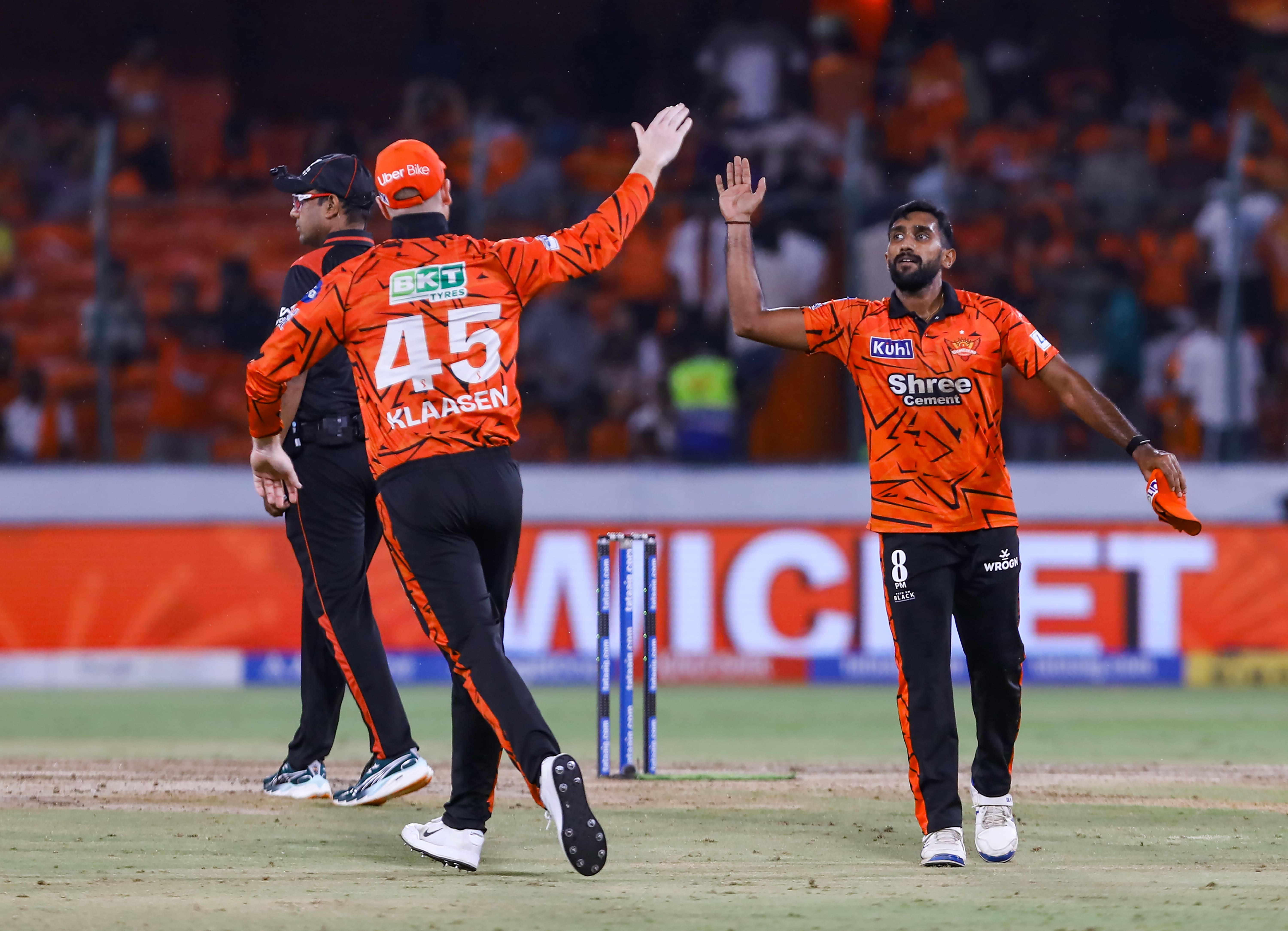
Match Overview
The SRH vs DC clash in IPL 2026 was not just about the final result—it was a contest filled
with momentum shifts, powerful partnerships, and crucial collapse moments. While the
scoreboard clearly shows Sunrisers Hyderabad’s dominance, a deeper analysis reveals how
the match gradually moved in SRH’s favor through consistent pressure and smart execution.
SRH Powerplay – Setting the Tone Early
Sunrisers Hyderabad started the match in dominant fashion by scoring 67 runs in the
powerplay. This aggressive approach immediately put Delhi Capitals under pressure. The
batters made full use of fielding restrictions, maintained a high run rate, and built a strong
foundation. This early momentum played a key role in shaping the entire match, as DC
struggled to recover from the pressure created in the first six overs.
First Breakthrough – A Missed Opportunity for DC
The dismissal of Travis Head at 97/1 in 8.5 overs gave Delhi Capitals a small opening to
fight back. However, this breakthrough came too late to make a real impact. By that time,
SRH had already established control of the game. Instead of shifting momentum, the wicket
only caused a temporary slowdown, with SRH continuing to dominate the innings.
SRH Partnerships – The Backbone of Their Success
The biggest strength of SRH in this match was their ability to build strong and continuous
partnerships. The opening stand between Abhishek Sharma and Travis Head produced 97
runs, providing a powerful start. This was followed by a 79-run partnership between
Abhishek Sharma and Ishan Kishan, which ensured the scoring rate never dropped. Later,
Heinrich Klaasen joined Abhishek Sharma to add another 66 runs, finishing the innings
strongly. What made SRH special was the seamless transition between partnerships, which
prevented DC from gaining any control.
Second Wicket – Too Late to Change the Game
Ishan Kishan’s wicket at 176/2 in 14.4 overs came at a stage where SRH had already done
the damage. The score was nearly out of reach, and Delhi Capitals had very little chance of
making a comeback. This moment confirmed SRH’s dominance rather than creating any
turning point in DC’s favor.
DC Chase – A Positive Start Under Pressure
Delhi Capitals began their chase with a decent powerplay score of 59 runs. While this was a
good start, the massive target meant that they were always under pressure. The required
run rate kept increasing, and even a solid beginning was not enough to ease the pressure of
chasing such a huge total.
Collapse Phase – Where the Match Slipped Away
The most crucial phase of the match came when DC lost quick wickets in succession. After
reaching 107/2, they suddenly slipped to 107/4. This collapse completely changed the
momentum of the game. The back-to-back wickets broke their rhythm, increased pressure,
and pushed SRH into complete control.
DC’s Best Partnership – A Brief Comeback
Before the collapse, Delhi Capitals showed signs of a comeback through a strong
partnership between Nitish Rana and KL Rahul. The pair added 86 runs and played with
positive intent. During this phase, DC looked competitive and in control. However, their
inability to continue this partnership or build another one proved costly, and the match
soon slipped away.
Middle Order Failure – The Biggest Setback
The middle order of DC failed to support the chase. Key players like David Miller could not
contribute, and frequent wickets prevented any stability. This lack of partnerships
increased the pressure on incoming batters and made the chase even more difficult. As the
required run rate climbed, the team struggled to keep up.
Final Collapse – No Way Back
In the final overs, the collapse became more evident. The score progressed from 166/5 to
186/6, then 192/7, and finally 195/9. With too many wickets lost and limited batting
options remaining, Delhi Capitals had no chance of chasing the target. The match was
effectively decided well before the final over.
Match Comparison – SRH vs DC
SRH dominated the powerplay and maintained strong partnerships throughout their
innings. They lost wickets at the right time and controlled the momentum consistently. In
contrast, DC had a decent start but failed to build partnerships after key wickets. Frequent
collapses and loss of momentum during the middle overs made the difference between the
two teams.
Turning Point of the Match
The exact turning point came when DC collapsed from 107/2 to 107/4. This phase
completely shifted the pressure onto Delhi Capitals and allowed SRH to take full control of
the game. From that moment onward, the outcome was almost certain.
Final Verdict
SRH’s victory was built on an explosive powerplay, strong partnerships, and smart game
control. Delhi Capitals, despite a promising start, lost the match due to their middle-order
collapse and inability to handle pressure.
Conclusion
This match clearly highlighted the importance of partnerships in T20 cricket. SRH executed
this perfectly, while DC failed to sustain their momentum. That difference ultimately led to a
one-sided result, even though there were brief moments where DC showed potential.


Comments:
Leave a Reply