- Wed, March 16, 2022

Loading
Loading
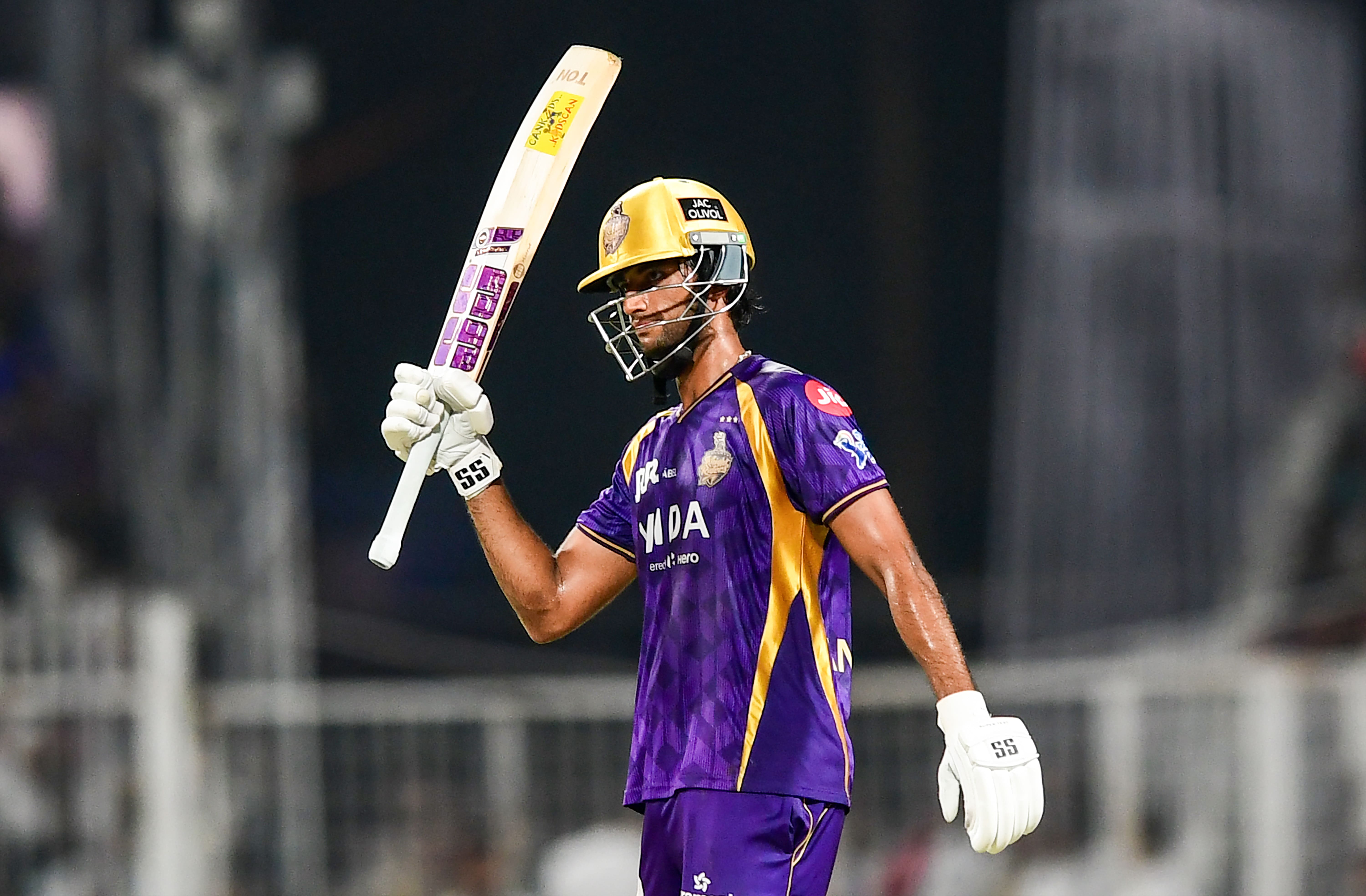
SRH vs KKR IPL 2026 Match Result: Kolkata Knight Riders Beat Sunrisers Hyderabad by 7 Wickets
1. Match Overview
The SRH vs KKR IPL 2026 clash at Rajiv Gandhi International Stadium carried major importance for both sides in the playoff race. Sunrisers Hyderabad played at home and looked to build momentum, while Kolkata Knight Riders arrived knowing a strong performance could strengthen their position. The contest started with early aggression from the home side and quickly turned into a high-pressure battle. Hyderabad dominated phases of the first innings, but Kolkata remained calm through the middle overs and kept pulling the game back. That control prevented SRH from converting a promising start into a bigger total. In the chase, KKR showed clarity, composure, and better match awareness. They managed the required rate smartly and never allowed scoreboard pressure to build. In the end, Kolkata Knight Riders won by 7 wickets.
2. Toss Report
Sunrisers Hyderabad won the toss and chose to bat first. At Hyderabad, the decision looked logical because the surface generally offers good stroke play early in the innings. The home side aimed to use the powerplay to build a strong platform and put pressure on Kolkata later. Their openers responded positively and gave the innings momentum. However, as the match progressed, KKR’s bowlers adjusted well to the conditions. The middle overs brought more control and wickets. That reduced the advantage of batting first. While the toss decision itself was understandable, Kolkata executed the key phases more effectively.
3. Sunrisers Hyderabad Powerplay Start
Sunrisers Hyderabad began with strong intent. Abhishek Sharma attacked from the beginning and Travis Head quickly found rhythm with aggressive stroke play. Boundaries came regularly and Kolkata’s bowlers were forced to change lengths early. The powerplay helped Hyderabad establish early momentum and put the visitors under pressure. At that stage, SRH looked well placed for a total beyond 180. The crowd sensed a strong batting platform. But KKR remained patient and continued searching for breakthroughs rather than forcing the game. That discipline later proved important. The opening six overs gave SRH momentum, but not complete control.
4. Travis Head’s Aggressive Knock
Travis Head played the most impactful innings of the SRH batting effort. He scored 61 off 28 balls, striking 9 fours and 3 sixes at a strike rate of 217.86. His innings brought early dominance and allowed Sunrisers Hyderabad to score freely. He attacked pace and spin with confidence and kept the scoreboard moving rapidly. Head’s boundary hitting forced Kolkata to rethink field placements. During his stay, Hyderabad looked set for a very big total. However, once he fell at 105/2, the innings changed direction. His wicket became one of the biggest turning points of the match.
5. Ishan Kishan Holds the Middle Overs
Ishan Kishan added stability with 42 off 29 balls. While Travis Head played the aggressive role, Kishan provided control through strike rotation and timely boundaries. He helped maintain momentum after the opening stand and prevented an immediate collapse. His innings ensured SRH kept the scoreboard moving in the middle phase. However, he lacked finishing support from the lower middle order. Once wickets started falling at the other end, pressure increased. His dismissal at 148/7 made the final overs more difficult. It was a useful innings, but not enough to push SRH beyond 170.
6. Kolkata Knight Riders Pull Back the Game
The biggest shift in the SRH vs KKR IPL 2026 match result came during the middle overs. After a fast start, Kolkata slowly tightened their grip. Their bowlers mixed pace cleverly, used smarter field placements, and forced Hyderabad to take risks. Singles replaced boundaries and the run flow started slowing. Most importantly, wickets came at regular intervals. That denied Sunrisers the chance to build one major finishing partnership. In T20 cricket, sustained middle-over control often decides the result. Kolkata executed that phase very well. It completely changed the direction of the innings.
7. Sunrisers Hyderabad Innings Summary — 165 All Out in 19 Overs
Sunrisers Hyderabad finished on 165 all out in 19 overs. Considering the early platform, it was slightly below expectations. They reached 71 in the powerplay, which suggested a total of 180 or more was realistic. But the regular fall of wickets disrupted momentum. The lower order could not produce a strong finishing burst. Kolkata’s disciplined bowling at the back end ensured SRH lost all ten wickets before completing 20 overs. That was a crucial difference in the match. The final total was competitive but not commanding.
8. Varun Chakaravarthy’s Impact Spell
Varun Chakaravarthy played a major role with 3 wickets for 36 runs in 4 overs. He dismissed Travis Head, Smaran Ravichandran, and Aniket Verma, breaking Hyderabad’s momentum at important stages. His spell came exactly when SRH were preparing to accelerate further. By taking wickets in the middle overs, he forced new batters to rebuild rather than attack. His variations created pressure and reduced boundary opportunities. Even though the economy was slightly high, the timing of his wickets mattered most. His contribution had a major effect on the final result.
9. Sunil Narine and Supporting Bowling Effort
Sunil Narine delivered another controlled spell with 2 for 31 in 4 overs. He removed Ishan Kishan and Salil Arora, which further disrupted SRH’s batting structure. Kartik Tyagi also contributed with 2 for 30, while Vaibhav Arora, Cameron Green, and Anukul Roy chipped in with one wicket each. What stood out was Kolkata’s collective effort rather than one individual spell. Every bowler contributed during important moments. That shared responsibility prevented Hyderabad from recovering. It was a disciplined bowling display from the visitors.
10. Fall of Wickets Tells the Story
The fall of wickets clearly explains how SRH lost momentum. Abhishek Sharma departed at 44/1, but the innings remained strong because Travis Head continued attacking. The turning point came when Head fell at 105/2 in 8.6 overs. After that, wickets came regularly — 117/3, 122/4, 135/5, 139/6, 148/7. Those repeated setbacks prevented the batting side from building one big finishing stand. Instead of accelerating, Hyderabad were forced into recovery mode. That loss of continuity affected the final score. The collapse in the last ten overs proved costly.
11. Kolkata Knight Riders Chase Begins Calmly
Chasing 166, Kolkata Knight Riders approached the innings with maturity. They did not panic or try to finish the game inside the powerplay. The batting unit focused on building partnerships and keeping the required rate manageable. That approach helped reduce pressure. Hyderabad needed early wickets but Kolkata did not allow the chase to become chaotic. Their shot selection remained controlled. As the innings progressed, the target became increasingly manageable. The chase was built on game awareness rather than reckless aggression.
12. Why Kolkata Controlled the Chase
The most impressive part of Kolkata’s chase was their composure. They understood that 166 was not an unmanageable target on this surface. Instead of chasing boundaries every over, they prioritized strike rotation and calculated risks. That prevented Hyderabad from building momentum with dot balls. Every time pressure started to build, Kolkata found timely boundaries. Their batting unit stayed ahead of the required rate without taking unnecessary chances. That control made the chase look smoother than the scoreline suggests. It was a mature T20 chase.
13. Match Result
Kolkata Knight Riders won by 7 wickets. The result reflected how well they controlled the important phases of the match. Hyderabad dominated the early overs but could not convert their platform into a decisive total. Kolkata, in contrast, stayed disciplined with the ball and calm with the bat. They handled pressure moments better. That difference in execution proved decisive. In a close playoff race, this was a valuable victory. KKR took the two points with a professional performance.
14. Best Performers of the Match
Best Batter — Travis Head
His 61 off 28 balls gave Sunrisers Hyderabad their early momentum and was the most explosive batting effort of the match.
Best Bowler — Varun Chakaravarthy
His 3/36 changed the rhythm of the innings and played a major role in restricting SRH to 165.
15. Match Turning Points
The first major turning point was Travis Head’s dismissal at 105/2. Until that moment, Hyderabad looked capable of crossing 180. The second turning point was Kolkata’s middle-over squeeze through Varun Chakaravarthy and Sunil Narine, which slowed scoring and created pressure. The third turning point came when SRH lost regular wickets at the death instead of building one finishing partnership. Finally, Kolkata’s calm chase prevented Hyderabad from using scoreboard pressure. Those moments together decided the result.
16. Final Thoughts
The SRH vs KKR IPL 2026 match showed how quickly T20 momentum can change. Sunrisers Hyderabad made an excellent start and looked set for a strong total, but Kolkata Knight Riders stayed disciplined and pulled the game back through smart middle-over bowling. That phase changed the match. In the chase, Kolkata showed better composure and clearer match awareness. Their calm approach under pressure was impressive. Hyderabad will take positives from Travis Head’s aggressive batting, but they will also know they left runs behind. Kolkata, meanwhile, produced a complete team performance. That is why the SRH vs KKR IPL 2026 match result ended in KKR’s favour.


Comments:
Leave a Reply