- Wed, March 16, 2022

Loading
Loading
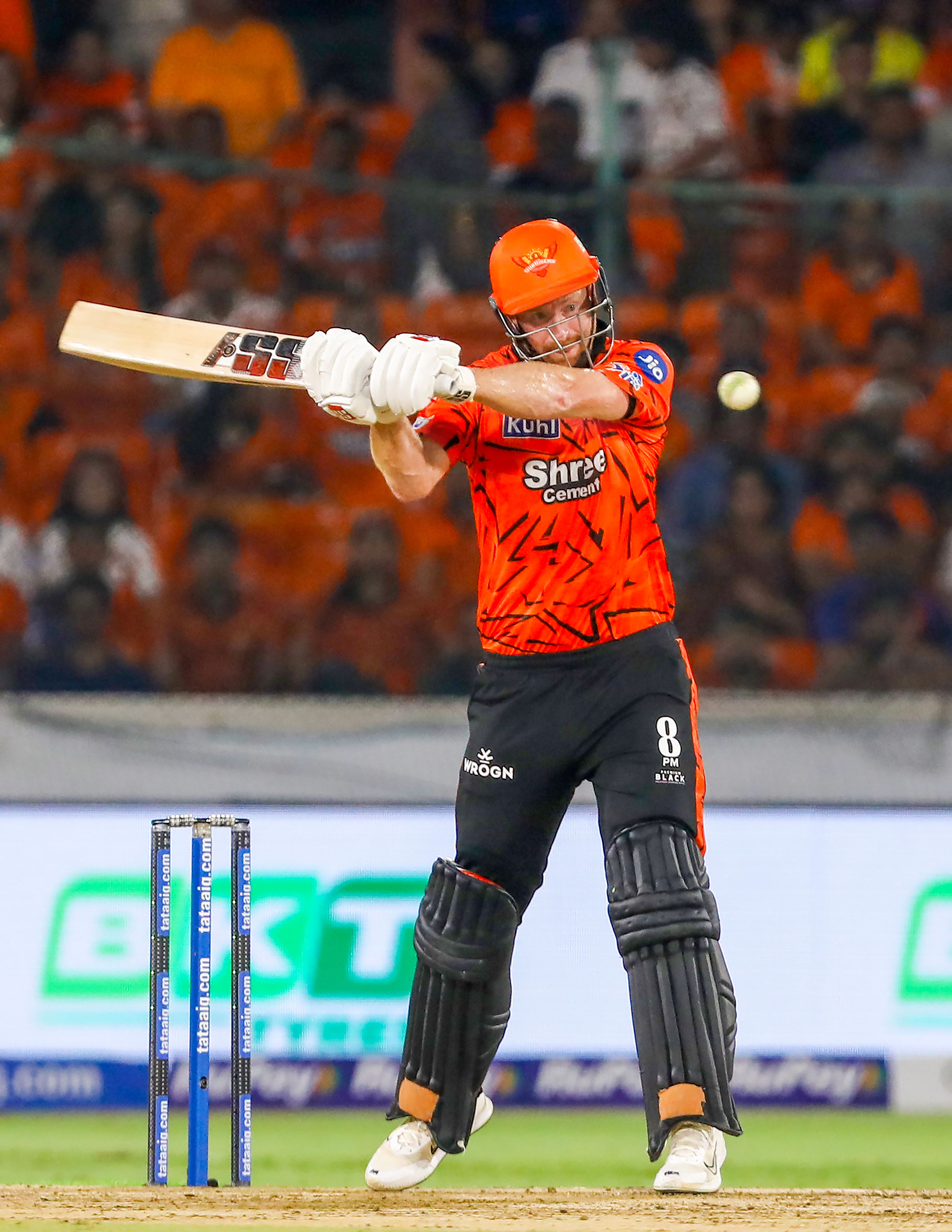
SRH vs PBKS IPL 2026 Batting Report
Sunrisers Hyderabad defeated Punjab Kings by 33 runs in Match 49 of the Indian Premier League 2026. Batting remained the biggest talking point of the contest as both teams produced an entertaining high-scoring game. Sunrisers Hyderabad posted a powerful total of 235 for 4 in 20 overs, while Punjab Kings replied with 202 for 7. The match featured aggressive stroke play, quick scoring in the powerplay, and impactful middle-order performances. SRH built their innings through attacking intent from the start and maintained momentum through the middle overs. Punjab Kings fought back strongly in the chase but could not keep up with the required rate. Several batters from both sides delivered impressive contributions. The SRH vs PBKS IPL 2026 result highlighted how batting depth shaped the overall outcome. Individual performances created the difference between the two teams. This match became one of the notable batting displays of the season. The contest also showed why explosive top-order contributions remain crucial in T20 cricket.
Abhishek Sharma’s Fast Start
Abhishek Sharma provided Sunrisers Hyderabad with immediate momentum at the top of the innings. He scored 35 runs from just 13 deliveries and attacked from the first over. His innings included two boundaries and four sixes, producing a remarkable strike rate of 269.23. The left-hander looked determined to take advantage of fielding restrictions and put pressure on Punjab Kings’ bowling attack. His early acceleration allowed SRH to establish control during the powerplay. Every boundary increased the scoring rate and forced defensive field adjustments. Though his stay at the crease was short, the impact was significant. He created the aggressive platform that the middle order later built upon. The quick start also lifted confidence inside the SRH camp. His innings once again underlined his value as a high-impact opener in IPL 2026. Early momentum from Abhishek became one of the important batting moments of the match.
Travis Head Continued the Pressure
Travis Head maintained the aggressive approach after Abhishek Sharma’s early fireworks. He scored 38 runs from 19 balls and kept the scoring tempo high. His innings contained three fours and three sixes at a strike rate of 200.00. Head’s ability to find boundaries regularly prevented Punjab Kings from settling into consistent bowling rhythm. He looked positive against both pace and spin during his stay at the crease. His attacking intent ensured that SRH continued to dominate the powerplay phase. The partnership at the top created pressure on the opposition captain and bowlers. Quick scoring during this phase later gave freedom to the middle order. Head’s contribution was important because it sustained momentum rather than allowing the innings to slow down. His short but influential innings became another key part of SRH’s batting success.
Ishan Kishan Anchored the Middle Overs
Ishan Kishan played an important innings that combined control with attacking intent. The wicketkeeper-batter scored 55 runs from 32 deliveries and helped Sunrisers Hyderabad stabilize after the early attacking phase. His knock featured two fours and four sixes while maintaining a strike rate of 171.88. Kishan rotated strike effectively and chose the right moments to accelerate. He played a key role in carrying the innings from the powerplay into the middle overs. His ability to balance risk and tempo gave SRH a strong foundation for a late surge. He also ensured that the run rate remained healthy without unnecessary pressure. His innings reflected maturity and tactical awareness. The timing of his boundaries kept Punjab Kings under constant pressure. This contribution proved valuable in shaping the final total of 235.
Heinrich Klaasen’s Match-Defining Knock
Heinrich Klaasen produced the defining batting performance for Sunrisers Hyderabad. He scored 69 runs from 43 balls and guided the innings through the most important middle and late-over phases. His knock included three boundaries and four sixes with a strike rate of 160.47. Klaasen combined power hitting with calculated shot selection. He handled pressure effectively and kept the scoreboard moving without losing control. Whenever Punjab Kings attempted to slow the scoring rate, Klaasen responded with clean boundary hitting. His experience in finishing innings was clearly visible. He converted the solid platform into a commanding total. His presence at the crease gave confidence to the batting unit around him. The innings ultimately became one of the decisive reasons behind SRH’s 33-run victory.
Nitish Kumar Reddy’s Late Acceleration
Nitish Kumar Reddy added valuable finishing touches for Sunrisers Hyderabad. Remaining unbeaten on 29 from only 13 deliveries, he provided strong acceleration in the closing overs. His innings featured two fours and two sixes at a strike rate of 223.08. The late flourish ensured SRH crossed the 230-run mark and placed additional scoreboard pressure on Punjab Kings. Nitish played with freedom and excellent awareness of match situation. His ability to convert good balls into scoring opportunities stood out. The closing overs often decide T20 totals, and his contribution proved crucial in that phase. He complemented Klaasen effectively and ensured that SRH ended with maximum momentum. His finishing role added important value to the innings. Those extra late runs eventually strengthened Hyderabad’s winning position.
SRH Batting Built on Partnerships
Sunrisers Hyderabad’s total of 235 for 4 was not based on a single batter but on collective batting partnerships. The top order delivered explosive momentum while the middle order ensured continuity. Each major contribution arrived at the right stage of the innings. Abhishek Sharma and Travis Head gave the fast beginning. Ishan Kishan maintained balance during the middle phase. Heinrich Klaasen then converted the platform into a dominant total before Nitish Kumar Reddy finished strongly. This structured batting flow prevented pressure from building at any point. Punjab Kings struggled to find sustained control because new batters kept continuing the scoring momentum. Partnership batting remained the biggest strength of SRH in this contest. That collective approach became a major factor in the match result.
Punjab Kings Early Collapse
Punjab Kings faced immediate pressure during the chase after losing early wickets. Priyansh Arya managed only 1 from 3 balls before departing. Prabhsimran Singh also fell early for 3 from 4 deliveries. Captain Shreyas Iyer could add only 5 runs from 5 balls. These early dismissals pushed Punjab Kings into a difficult position during the powerplay. Chasing a total above 230 required strong starts and uninterrupted momentum. Instead, the early setbacks increased scoreboard pressure. Losing multiple top-order wickets forced the middle order to rebuild while keeping up with the required rate. That balance became increasingly difficult. The early collapse eventually shaped the direction of the chase. It gave Sunrisers Hyderabad early control over the contest.
Cooper Connolly’s Outstanding Century
Cooper Connolly produced an exceptional batting performance for Punjab Kings despite the defeat. He remained unbeaten on 107 from 59 deliveries and kept the chase alive for a long period. His innings included seven boundaries and eight sixes with a strike rate of 181.36. Connolly showed composure, power, and maturity under pressure. He handled the chase almost single-handedly after early wickets. His shot selection against both pace and spin remained impressive. He timed the ball cleanly and continued to attack despite rising required run rate. His century became one of the standout individual batting efforts of the match. Although Punjab Kings fell short, his innings earned major attention. It was one of the finest knocks in this SRH vs PBKS IPL 2026 contest.
Marcus Stoinis and Suryansh Shedge Added Support
Marcus Stoinis contributed 28 runs from 14 balls and gave Punjab Kings a short burst of momentum during the middle overs. His innings featured three fours and two sixes with aggressive intent. Suryansh Shedge added 25 from 17 balls and attempted to support Cooper Connolly in the chase. Both batters played positive cricket and tried to maintain scoring pressure. However, the required rate continued to rise because of the early wickets. Their contributions kept the chase competitive but not fully under control. Punjab Kings needed a longer partnership in this phase. Even so, these innings added valuable resistance and kept the contest alive deep into the second innings.
Marco Jansen’s Useful Lower-Order Runs
Marco Jansen added useful lower-order runs with 19 from 16 deliveries. His innings included one six and helped Punjab Kings continue pushing during the closing overs. He supported Cooper Connolly and attempted to reduce the deficit. However, the asking rate remained demanding because of the large target. Lower-order contributions can often shift momentum in T20 chases, but in this match the target remained slightly beyond reach. Jansen’s effort still added depth to the innings. It reflected Punjab Kings’ willingness to keep fighting until the final overs. His contribution helped take the team beyond 200 runs, which highlighted the competitive nature of the batting display.
SRH vs PBKS Result and Batting Takeaway
The SRH vs PBKS IPL 2026 result ultimately came down to superior batting structure from Sunrisers Hyderabad. Their innings had strong contributions across the top, middle, and death overs. Punjab Kings, despite Cooper Connolly’s outstanding century, lost too much ground in the early phase of the chase. Sunrisers Hyderabad showed better balance and sustained scoring momentum across all twenty overs. Their final total of 235 proved decisive. The 33-run victory reflected the value of collective batting impact rather than isolated brilliance. This match also reinforced how partnerships and timing of acceleration shape T20 outcomes. Batting remained the defining theme of this contest. The performances from both teams made Match 49 one of the most entertaining IPL 2026 games.



Comments:
Leave a Reply