- Wed, March 16, 2022

Loading
Loading
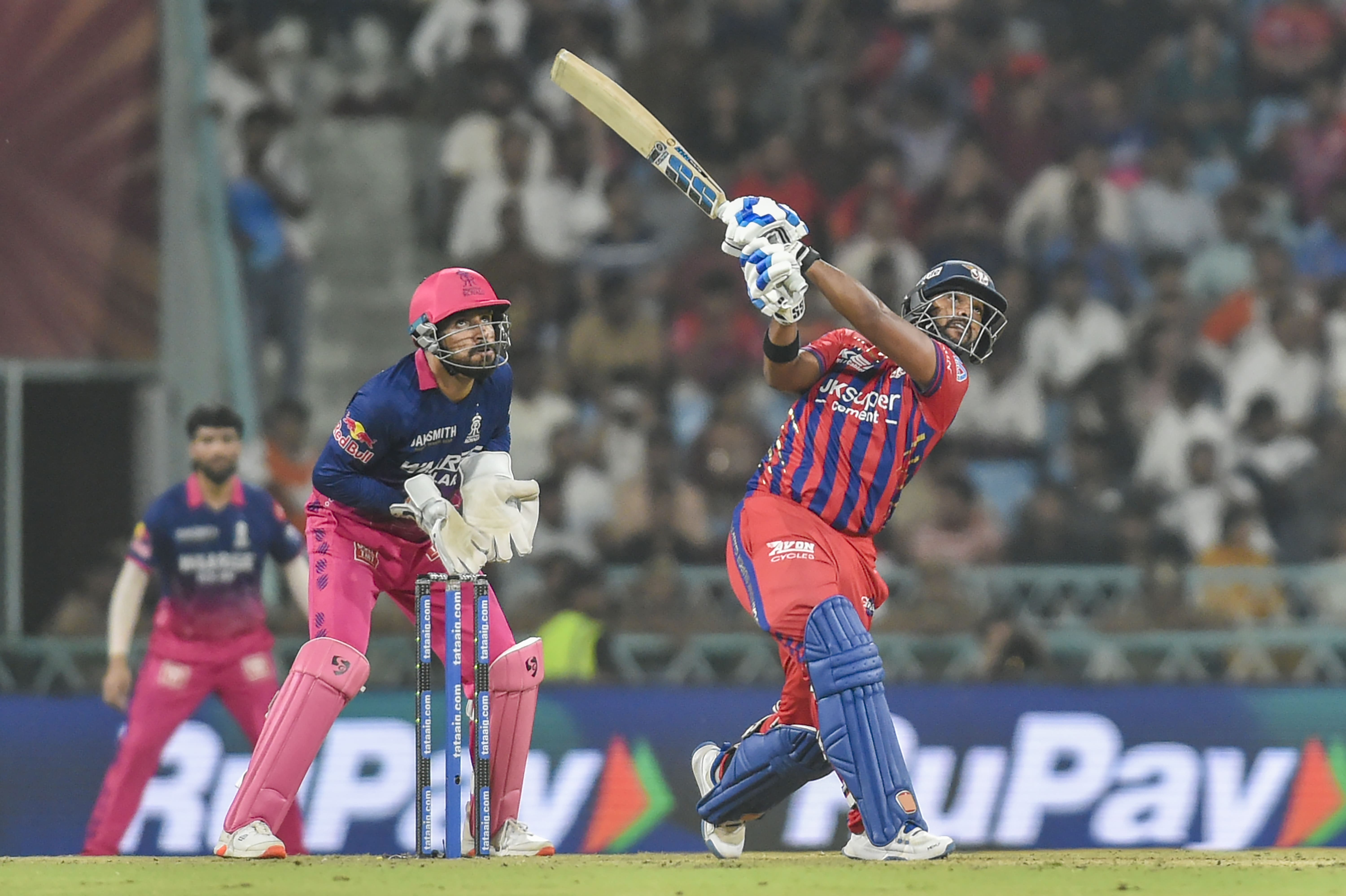
Match Overview:
A Game That Slowly Slipped Away
The LSG vs RR IPL 2026 match was a clear example of how a T20 game can gradually slip
away when a team fails to maintain control across key phases. Lucknow Super Giants
entered the contest with confidence and expectations, but what unfolded on the field was
far from their plans.
Instead of taking charge of the match, LSG struggled to find rhythm at any stage. The
performance lacked coordination, intent, and clarity, which are essential in a fast-paced
format like T20 cricket. Rajasthan Royals, on the other hand, played with discipline and
awareness, slowly tightening their grip on the match.
What makes this loss more significant is that it was not due to one major mistake but a
series of small errors across the innings. Each phase added pressure, and by the time LSG
tried to recover, the game had already slipped beyond their reach.
Powerplay Failure: The Root Cause of the Loss
The powerplay proved to be the most damaging phase for Lucknow Super Giants. In
modern T20 cricket, the first six overs are crucial for setting the tone of the innings. Teams
aim to take advantage of field restrictions and build a strong foundation, but LSG failed to
capitalize on this opportunity.
Losing early wickets forced the team into a defensive approach almost immediately. Instead
of playing attacking cricket, the batters were focused on survival. This shift in mindset
reduced the scoring rate and allowed Rajasthan Royals to build pressure.
The psychological impact of early wickets cannot be ignored. Once the top order collapsed,
the middle-order batters walked in under pressure, which affected their natural game. This
created a chain reaction where one mistake led to another.
If LSG had managed to get a stable start and score freely in the powerplay, the entire course
of the match could have been different.
Middle Overs Struggles: No Momentum, No Control
If the powerplay created the problem, the middle overs completely intensified it. This phase
is usually where teams stabilize their innings or prepare for acceleration, but Lucknow
Super Giants struggled to find any balance.
The batters failed to rotate strike effectively, leading to a buildup of dot balls. In T20 cricket,
dot balls create pressure, and that pressure often results in risky shots and wickets. This is
exactly what happened with LSG.
Boundaries became rare, and the scoring rate dropped significantly below the required
level. Instead of controlling the game, LSG allowed Rajasthan Royals to dictate the pace.
Another major issue during this phase was the absence of partnerships. No pair of batters
stayed long enough to build a meaningful stand. Every time a batter looked settled, a wicket
followed, which broke the momentum completely.
By the end of the middle overs, LSG were not just behind on the scoreboard—they had also
lost control of the match situation.
Death Overs Failure: Missed Opportunity to Recover
The death overs offered Lucknow Super Giants a final chance to recover and push their total
to a competitive level. In T20 cricket, the last few overs are crucial for acceleration, where
teams aim to score maximum runs.
However, LSG failed to take advantage of this phase. Instead of attacking confidently, the
batters struggled to find boundaries and could not capitalize on scoring opportunities.
Rajasthan Royals’ bowlers executed their plans brilliantly during this phase. They
maintained accuracy, used variations effectively, and ensured that LSG could not score
freely.
The inability to accelerate in the death overs meant that LSG ended with a below-par total.
In a format where even a difference of 20–30 runs can change the outcome, this failure
proved to be decisive.
Bowling and Fielding Gaps: Lack of Pressure Creation
While batting was the primary concern, Lucknow Super Giants also lacked effectiveness in
bowling and fielding.
During the chase, their bowlers were unable to apply consistent pressure on Rajasthan
Royals’ batters. Loose deliveries and lack of variation allowed RR to score comfortably
without taking unnecessary risks.
Fielding also played a role in their downfall. Missed opportunities, slow reactions, and lack
of sharpness on the field made it easier for Rajasthan Royals to maintain momentum.
In T20 cricket, fielding can make a huge difference, and LSG’s lack of intensity in this
department added to their problems.
Tactical Mistakes and Lack of Game Awareness
Another key reason behind LSG’s loss was their lack of tactical clarity. The team seemed
unsure about their approach in different phases of the game.
Instead of adapting to the situation, they continued making the same mistakes. Whether it
was shot selection, strike rotation, or bowling strategy, there was a visible lack of
coordination.
Rajasthan Royals, on the other hand, showed excellent game awareness. They understood
the situation at every stage and made smart decisions accordingly. This difference in
thinking played a major role in deciding the outcome.
Conclusion: A Lesson in Execution and Consistency
In the end, Lucknow Super Giants lost this match not because they lacked talent, but
because they failed to execute their plans effectively.
From powerplay struggles to middle overs slowdown and death overs failure, every phase
of the game exposed their weaknesses. The lack of partnerships, poor decision-making, and
inconsistent performance made it difficult for them to compete.
This match serves as a strong lesson for LSG. In T20 cricket, consistency and execution are
more important than individual brilliance. If they can address these issues and improve
their approach, they have the potential to bounce back.
But on this day, Rajasthan Royals were simply the better team—more disciplined, more
composed, and more effective in every aspect of the game.



Comments:
Leave a Reply